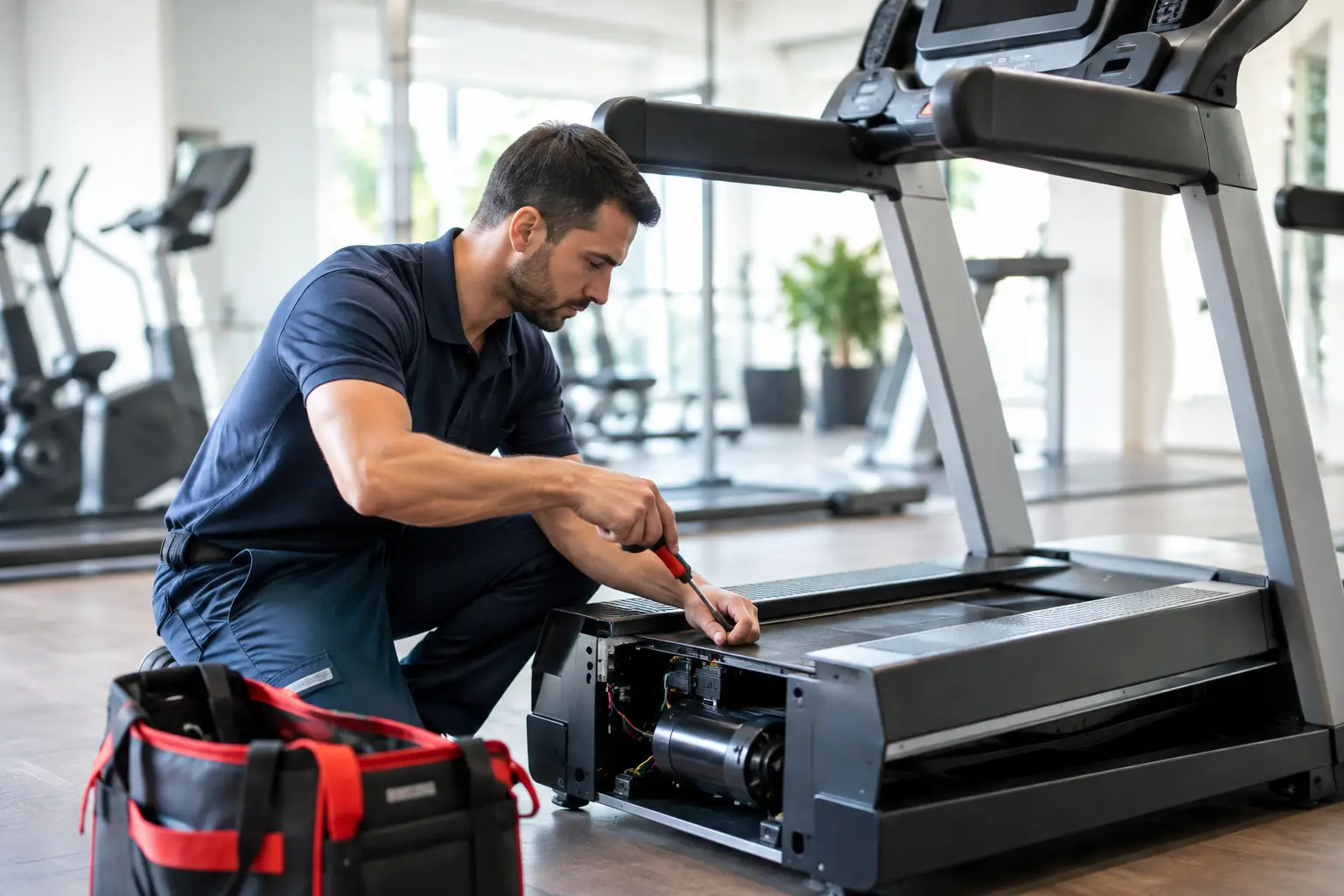
A treadmill that suddenly slips, an exercise bike that clicks through every pedal stroke, or an elliptical that starts wobbling can derail a home routine fast. Consistent cardio machine maintenance helps prevent those frustrating interruptions while protecting a major investment in your home gym. The goal is not to become a repair technician. It is to catch small issues early, keep moving parts clean, and know when a simple adjustment should become a service call.
Why Cardio Machine Maintenance Pays Off
Home cardio equipment works harder than it may appear to. Sweat reaches consoles and hardware, dust gathers under belts and around motors, and repeated foot strikes or pedal strokes slowly loosen fasteners. In a commercial gym, machines receive frequent attention from staff. At home, the owner is usually the maintenance plan.
A little routine care improves more than appearance. It can reduce belt wear on a treadmill, keep resistance changes consistent on a bike, and help an elliptical move smoothly instead of developing squeaks or side-to-side play. It also supports safer workouts. A loose pedal, unstable frame, or worn walking belt is easier and cheaper to address before it becomes a bigger failure.
Maintenance needs vary by machine, usage, body weight, room conditions, and manufacturer design. A treadmill used for daily running needs more attention than a folding bike used twice a week. Equipment in a garage, basement, or room shared with pets may need more frequent cleaning because dust, temperature swings, and moisture add stress.
Start With the Right Home Setup
The easiest maintenance task is preventing avoidable wear from day one. Place the machine on a firm, level surface and leave clearance around it for safe use, airflow, and cleaning. A quality equipment mat can help protect flooring, reduce vibration, and limit the dust and carpet fibers pulled into a treadmill motor area.
Avoid placing cardio equipment where it receives direct sun, frequent moisture, or extreme cold and heat. A damp basement can encourage corrosion, while a hot garage can be hard on electronics, plastics, and lubricants. If a garage gym is your best option, cover the machine when it is not in use and inspect it more often.
Use a dedicated outlet when the manual recommends one. Treadmills in particular can draw significant power, so extension cords and overloaded power strips are not a good shortcut. A surge protector designed for fitness equipment may make sense for machines with touchscreens or connected features, but check the manufacturer guidance first.
Your After-Workout Cardio Machine Maintenance Routine
After a workout, take less than two minutes to wipe down the areas you touched. Use a soft cloth lightly dampened with water or an equipment-safe cleaner. Focus on handlebars, heart-rate grips, seat adjustments, console edges, handrails, and frame surfaces.
Do not spray cleaner directly on a screen, console, or control buttons. Liquid can work its way into electrical components. Spray the cloth instead, and keep it only slightly damp.
Sweat is the main concern here. It contains salt, and salt left on metal hardware can lead to corrosion over time. This is especially relevant for indoor cycles, where riders often lean over the bars and sweat heavily around the flywheel housing and adjustment posts.
Before stepping away, notice whether anything feels or sounds different. A new rubbing noise, belt hesitation, loose pedal, or unstable handlebar is useful information. You do not need to diagnose it immediately, but do not ignore a change just because the machine still turns on.
Weekly Cleaning and Inspection
Once a week, give the machine a quick visual inspection. Unplug powered equipment before cleaning around the motor cover, belt, or electrical connections.
For treadmills, vacuum around and underneath the deck. Dust and pet hair can collect beneath the machine and may eventually make their way into the motor compartment. Check the walking belt for frayed edges, unusual wear patterns, or drifting toward one side. A belt that consistently moves off-center may need alignment.
For exercise bikes, inspect the pedals, straps or clips, seat post, handlebars, and adjustment knobs. Make sure the pedals are fully threaded and that the seat and bars lock securely at your selected height. A click that occurs once per pedal revolution can come from a loose pedal, crank, or shoe cleat, so start with the simplest checks.
For ellipticals, look at the pedal rails, rollers, pivot points, and moving arms. Remove visible dust and check for loose bolts or covers. If the machine sits unevenly, adjust its leveling feet before assuming a mechanical part has failed. A stable base often solves a surprising number of squeaks and wobbles.
Monthly Checks That Prevent Bigger Repairs
Monthly care is where cardio machine maintenance becomes more than surface cleaning. Set a recurring reminder based on use, not just the calendar. A household that uses a treadmill five or six days a week may benefit from these checks every two weeks.
First, inspect accessible bolts, screws, and fasteners. Tighten anything that has worked loose, but do not overtighten. Too much force can strip threads or damage plastic housings. If your machine came with an assembly wrench or Allen key, keep it nearby with the owner’s manual.
Next, look for wear in high-contact areas. On a treadmill, that includes the belt, deck, side rails, and power cord. On a bike, inspect pedal threads, straps, saddle hardware, and the drive area. On an elliptical, pay attention to pedal surfaces, rollers, linkage arms, and joints.
Listen during a short test workout. A steady motor hum is normal. Grinding, scraping, sharp knocking, sudden resistance changes, burning odors, or repeated error messages are not. Stop using the machine if you notice an electrical smell, smoke, excessive heat, or a structural crack.
Treadmill belt lubrication and alignment
Treadmills need the most specialized attention because the walking belt and deck create continuous friction. Many models require periodic silicone lubrication beneath the belt, while others use maintenance-free decks or have different requirements. The correct interval can range from a few months to many hundreds of miles, so the manual wins over generic advice.
Never use household oils, sprays, or automotive lubricants unless the manufacturer specifically approves them. The wrong product can damage the belt and deck or attract dirt. If lubrication is required, use the recommended product and follow the exact process for your model.
Belt alignment and tension are related but different. A belt that drifts left or right typically needs a small adjustment at the rear roller. A belt that slips underfoot may be too loose, but slipping can also signal a worn belt, worn deck, or drive issue. Make small adjustments only, test at a slow speed, and stop if you are not confident in the procedure.
Bike and elliptical moving parts
Exercise bikes and ellipticals may need approved lubricant on specific pivot points, rails, or adjustment posts. But more lubricant is not better. Over-lubricating can collect dust and create a messy buildup, while lubricating a part that should remain dry can cause problems.
If a bike uses a chain, it may need chain-specific care. Most modern indoor bikes use belt drives, which are generally lower maintenance. Magnetic resistance systems also tend to require less regular adjustment than friction-pad systems, though they still benefit from cleaning and hardware checks.
Protect the Console, Electronics, and Connections
Connected cardio equipment adds screens, speakers, fans, sensors, Bluetooth components, and software to the maintenance list. Keep the console dry, wipe it gently, and make sure cables are not pinched when folding or moving the machine.
Install software updates when prompted, especially if you use workout apps or subscription content. Updates can fix connection issues, improve screen performance, or address feature bugs. If a console freezes, follow the manufacturer’s restart steps before assuming the display is broken.
For battery-powered accessories such as heart-rate straps, remove batteries if the device will sit unused for a long period. Leaking batteries can damage contacts. Replace batteries when readings become inconsistent, but clean the sensor contacts first because dried sweat can also interfere with accuracy.
Know When to Call for Service
A loose bolt or dusty rail is a reasonable DIY fix. Electrical faults, motor problems, cracked frames, damaged power cords, and persistent belt slipping are different. Continuing to use the machine can turn a repairable issue into a safety concern.
Contact professional service or the manufacturer when you see recurring error codes, hear grinding from an enclosed motor or flywheel area, notice a hot motor cover, or find damage to wiring or structural parts. If the equipment is under warranty, unauthorized repairs may also affect coverage. Take a photo or short video of the issue and record the model number before reaching out. That makes troubleshooting faster.
Keep a Simple Maintenance Record
You do not need a complicated spreadsheet. A note on your phone is enough. Record when you lubricate a treadmill, tighten hardware, replace a battery, or notice a recurring sound. This helps you follow the correct service interval and gives useful context if you need warranty support later.
For shoppers comparing cardio equipment, maintenance should be part of the decision, not an afterthought. Consider whether replacement parts are available, whether the machine has a clear manual, how easy it is to clean beneath it, and whether its design fits the room where it will live. The right machine is not only one that matches your workouts. It is one you can realistically keep running well.
A few minutes of care can keep your cardio equipment quieter, safer, and ready when a 20-minute walk or ride is the most practical workout your day allows.