What really matters — and what you can ignore
If you’re buying fitness equipment, focus first on three practical things: the workouts you’ll do, the physical space and access you have, and durable protection for floors and neighbors. Fancy extras — touchscreen apps, built-in fans, or endless accessory add-ons — are pleasant but secondary. Prioritize utility over bells so you don’t spend on features you’ll rarely use.
Common mistake: buying for “ideal” workouts instead of current behavior
Problem: People buy equipment that fits a fitness identity (I’ll become a rower) rather than their actual habits. Why it matters: equipment that matches your routine is actually used; shiny gear that doesn’t fit your schedule becomes clutter.
Better approach: Be honest about what you’ll do three times per week. If you prefer short, intense cardio, a compact exercise bike or jump rope is a smarter buy than a full rowing machine. If you like strength training but don’t want barbell programming, a multi‑function home gym machine can give consistency with smaller learning and setup costs.
Common mistake: skipping exact space and clearance checks
Problem: Buyers assume their basement or spare room will fit a machine without measuring doorways, ceiling height, or workout clearances. Why it matters: large equipment may not fit through your entrance or may leave you with unusable dead space.
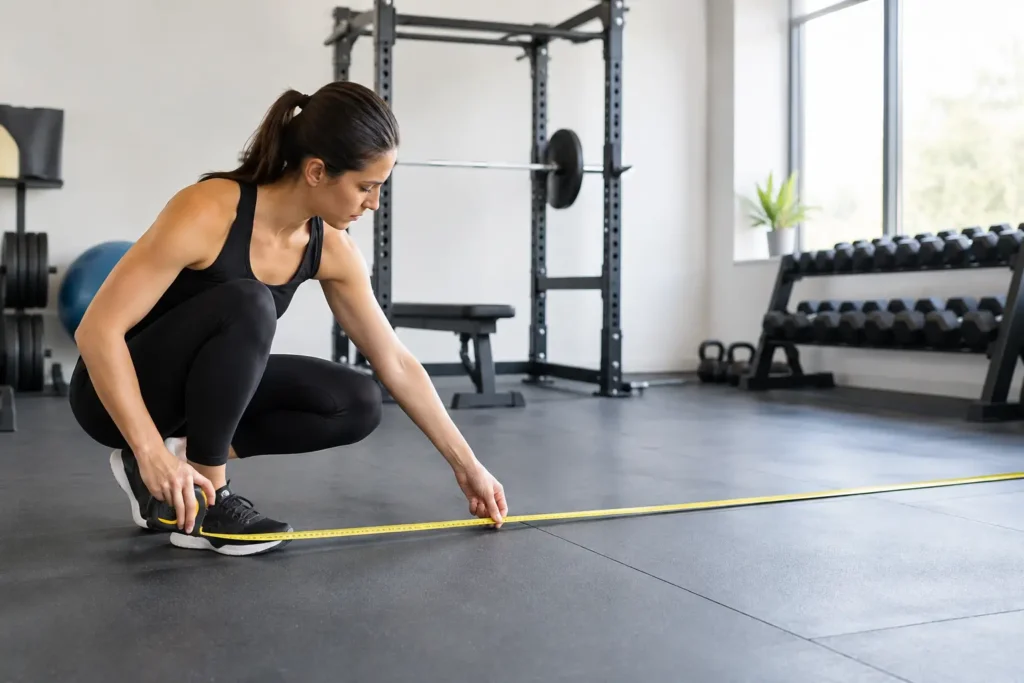
Better approach: Measure the doorway width, ceiling height, and the full footprint including required clearance for movement (treadmills need more front/back space; weight racks need overhead clearance). Lay out masking tape on the floor to visualize the footprint before committing. If space is tight, favor compact gear or foldable models.
Common mistake: undervaluing floor protection and noise control
Problem: People assume floors will withstand dropped weights or vibration from cardio machines. Why it matters: damage and noise complaints can be expensive and limit where you can place equipment.
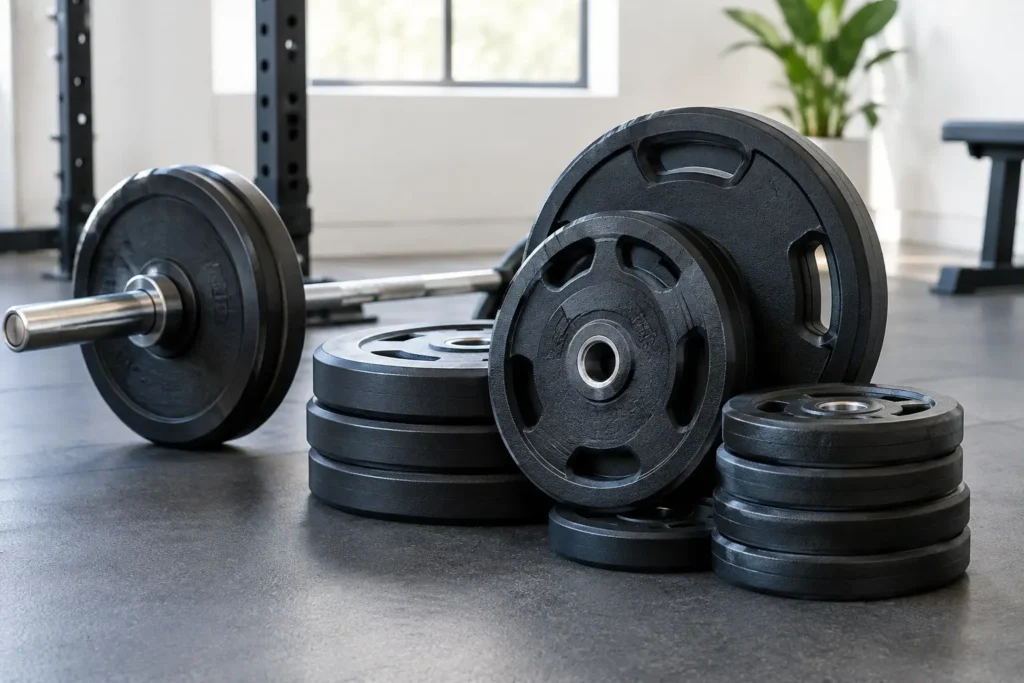
Better approach: Plan flooring before buying heavy gear. Heavy weightlifting requires dense rubber gym flooring or interlocking tiles; cardio machines benefit from an equipment mat to reduce vibration. Check our guide on protecting floors for specifics and product options.
Common mistake: choosing the cheapest model without checking durability
Problem: Low upfront price can hide thin frames, weak welds or motors that fail early. Why it matters: replacement or repair costs and safety risks can exceed the savings.
Better approach: Inspect build materials and warranty terms. For strength machines look for steel frames and clear weight-stack specs; for cardio look at motor horsepower or flywheel mass and user-weight limits. When a single compact option solves multiple needs—like a top-ranked multi‑function station—it’s often better value than buying many cheap single-use pieces.
Common mistake: buying everything at once instead of building in stages
Problem: Overspending on a complete setup before you know what you’ll use. Why it matters: excess equipment can waste space and money.
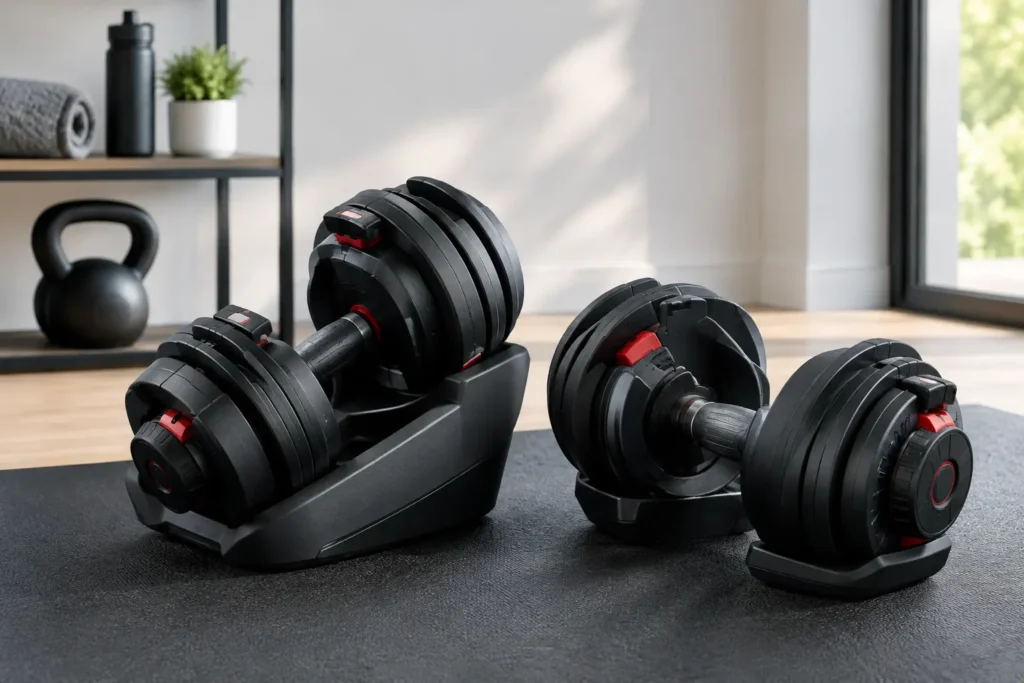
Better approach: Start with one primary tool that covers most of your goals, then add. For many, a solid all‑in‑one strength machine is an efficient core purchase; for cardio-focused users, begin with a reliable exercise bike or treadmill. If you aim to lift, add a quality adjustable bench and a few dumbbells or kettlebells over time.
Product suggestion for a strong core purchase
If you want a versatile, space-efficient primary strength option, consider a top-ranked multi-function home gym machine that combines press, pulldown and leg exercises in one frame. It suits beginners and steady trainers who prefer guided movement over barbell complexity.
Common mistake: ignoring maintenance and replacement part access
Problem: Machines are treated like appliances; buyers don’t check parts availability or simple maintenance tasks. Why it matters: small failures (belt wear, pulley issues) can make equipment unusable for weeks if parts aren’t available.
Better approach: Read the manufacturer’s support policy before buying. Favor brands with clear replacement-part distribution or models with standard, serviceable components. Keep basic tools handy and budget a small annual maintenance reserve for belts, lubrication and fastener checks.
Common mistake: not planning storage and workflow
Problem: Equipment that’s awkward to move or store creates barriers to regular use. Why it matters: if setup and teardown are a chore, workouts become sporadic.
Better approach: Design storage into the plan—wall racks for bands and mats, shelves for small accessories, and wheels or quick-release pins for larger items. If you rent or have shared spaces, portable or foldaway options maintain flexibility.
Checklist before you buy
- Measure doorways, ceiling height and workout clearance in the planned location.
- List the workouts you'll realistically do three times per week.
- Choose flooring or mats appropriate for impact and vibration.
- Confirm warranty and replacement-part availability.
- Decide whether a multi‑function station or modular pieces better match your goals.
- Plan storage and mobility for the equipment you purchase.
Practical takeaway
Buy to fit your habits and your space: one well‑chosen, durable core piece will deliver more consistent workouts than multiple niche items. Protect floors, check service support, and stage purchases so you can adapt the gym as your routine evolves.
How much space do I really need for a home gym?
A minimal strength corner can fit in 30–50 sq ft; a treadmill needs a larger footprint and additional clearance. Measure equipment footprint plus movement space and door pathways before buying. See our space planning guide for details.
Is a multi‑function home gym better than free weights?
It depends on goals: multi‑function machines offer guided, lower‑skill strength work and space efficiency; free weights give more exercise variety and progression for advanced lifters.
What flooring protects against heavy weights?
Dense 3/4"–1" rubber tiles or interlocking gym flooring are best for dropped weights; thinner mats are fine under cardio to reduce vibration.
Can I move heavy equipment through narrow doors?
Measure both the equipment’s widest assembled and disassembled dimensions and check if parts can be removed; some machines ship in sections so they fit through standard doors.
How do I choose an exercise bike for my goals?
Consider resistance type (magnetic vs air), adjustability, and whether you want app integration. For short workouts, look for a compact, stable model with comfortable seating.