You want effective strength workouts at home but only have a corner of the living room or a small garage — should you buy adjustable dumbbells or a fixed rack?
If your priority is squeezing a full program into limited space and budget, the choice matters. The short answer: adjustable dumbbells usually make the most sense for small-space home gyms and beginners who need a wide weight range without building a rack. Fixed dumbbells are often better for frequent heavy lifters, gyms, or buyers who prioritize durability, quick transitions and long-term convenience. Below I’ll walk through the decision criteria and trade-offs so you can pick the best fit for your setup and goals.
Decision criteria: what really matters when choosing
- Space and storage — how much floor or shelf room can you commit?
- Weight range and future progression — will your training demand heavier loads over time?
- Workout style and speed of changes — circuit training vs single-exercise sets.
- Durability, maintenance and safety — resistance to drops, exposed mechanisms.
- Cost per pound and long-term value.
- Comfort and ergonomics — handle feel, balance, and noise.
How adjustable and fixed dumbbells compare on the key trade-offs
Space and storage
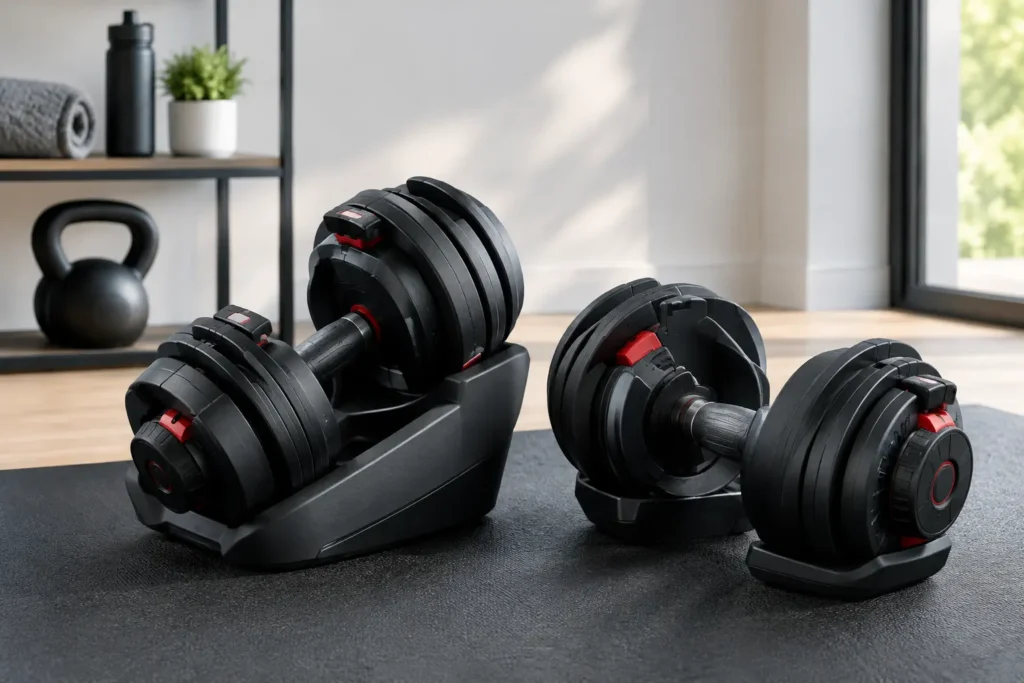
Adjustable dumbbells win decisively: a single pair replaces many individual dumbbells and needs only a small tray or stand. If you’re in an apartment, adjustable units let you free up floor space and avoid a bulky rack. Fixed dumbbells require vertical or horizontal storage racks and take much more room as you increase your weight range.
Weight range and progression
Adjustables provide wide micro-adjustable ranges (many go from 5–50+ lbs per hand) so you can progress in small increments. For beginners or those doing unilateral work and progressive overload, that flexibility is valuable. Fixed sets often offer a clearer linear progression (e.g., 5 lb steps) but expanding to heavier weights means buying more pairs and more space.
Speed during workouts and convenience
Fixed dumbbells are faster during circuits — you can grab the next weight without fiddling. High-end adjustable systems with quick-selector dials are close, but lower-cost adjustables take longer to change and can interrupt training flow. If your typical session uses many quick weight swaps, fixed dumbbells reduce friction.
Durability, longevity and safety
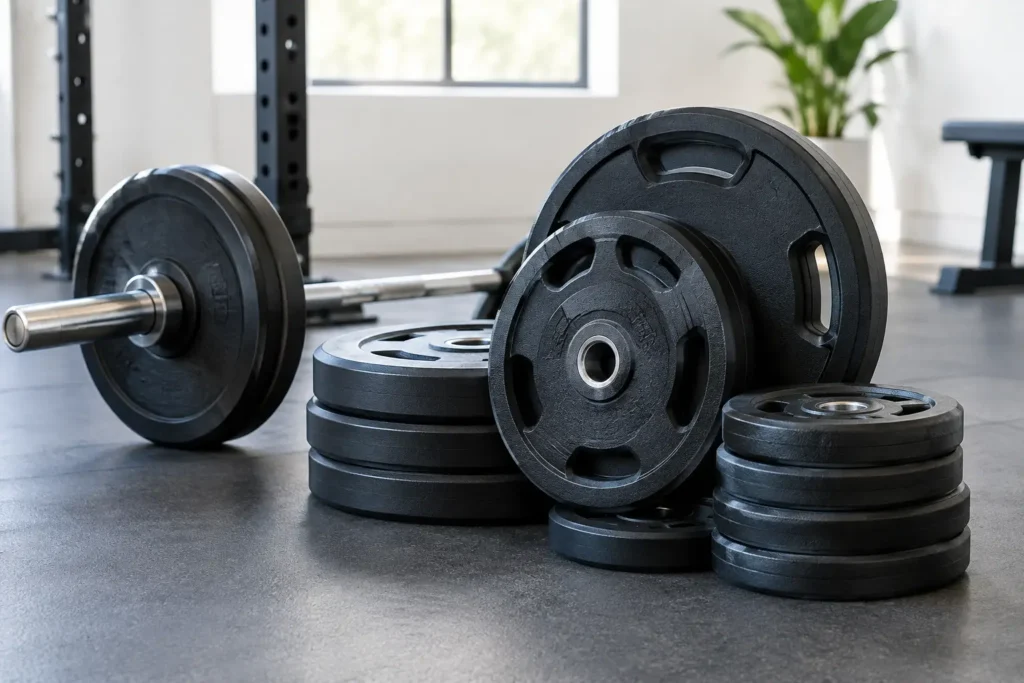
Fixed dumbbells—especially solid steel or rubber-coated hex designs—tolerate drops and rough handling better. Adjustable mechanisms include moving parts that can wear, become noisy, or fail if misused. If you expect frequent heavy drops (e.g., aggressive training or workouts by multiple family members), fixed dumbbells are the safer long-term option.
Cost and value
Upfront, adjustable dumbbells are typically cheaper than buying an equivalent set of fixed pairs covering the same range. Over many years, heavy users who need a broad range may find fixed sets (bought over time) competitive in cost per pound, but that requires more space and incremental purchases.
Ergonomics and balance
Some adjustable models feel bulkier or less balanced at light loads because of plate stacking or selector housing; fixed dumbbells usually offer consistent balance and a familiar feel. Try handling both types before buying when possible.
Which option suits different kinds of home gym users
Best for small-space users and beginners
If you live in an apartment, travel with equipment between homes, or are starting a program and want a compact solution, adjustable dumbbells are the practical choice. They let you perform everything from light warm-ups to most compound lifts without a full rack of iron.
Best for intermediate lifters and progressive strength training
Intermediate lifters benefit from the micro-adjustments and weight range of adjustables, especially for unilateral moves (single-arm rows, Bulgarian split squats) where you might need finer increments. However, if your program quickly moves into heavy double-digit poundages per hand and you prioritize explosive lifts or heavy loading, fixed pairs become more appealing.
Best for heavy lifters, shared or commercial-like use
If you plan to lift very heavy regularly, host multiple users, or want equipment that tolerates frequent drops, fixed dumbbells (especially forged steel or rubber-coated hex dumbbells) are the better long-term investment. They’re low-maintenance and keep workout transitions fast.
Best for circuit training, classes, or time-pressured workouts
Fixed dumbbells minimize downtime between stations. If you coach small classes at home or follow timed circuits, a fixed set or a mixed approach (fixed for common heavy weights, one adjustable for versatility) can keep sessions moving.
Practical buying guidance and recommended product
Start by listing your highest likely single-hand weight and how much space you can allocate. If you need up to ~50 lb per hand and have limited space, a quality adjustable pair will cover most needs. For heavier lifting, factor in whether you can commit floor space for a fixed rack.
For a compact, well-rated option that fits most home gyms, consider the Rendpas Adjustable Dumbbell Set. It’s a strong local match for buyers looking for a single-pair solution that replaces multiple fixed pairs.
Maintenance, safety and long-term use tips
- Never drop adjustable dumbbells; the selector and plates are vulnerable to impact.
- Wipe down handles and mechanisms regularly to prevent grime buildup that impedes selection.
- If you buy fixed dumbbells, invest in a proper rack to protect floors and avoid dangerous stacking.
- Test ergonomics in person if possible — some adjustable heads can feel bulky during curls or flyes.
How a mixed approach can be the best compromise
Many home gyms use a hybrid setup: a few fixed pairs (e.g., 25–40 lb) for fast superset work and an adjustable pair to cover the lighter and heavier extremes. This hybrid reduces cost and space while preserving convenience where it matters most.
Next steps: how to choose right now
Decide on your priority among space, progression needs, workout speed, and expected lifespan. Use that to pick one of three paths: adjustable-focused (space & progression), fixed-focused (durability & speed), or hybrid (balance of both).
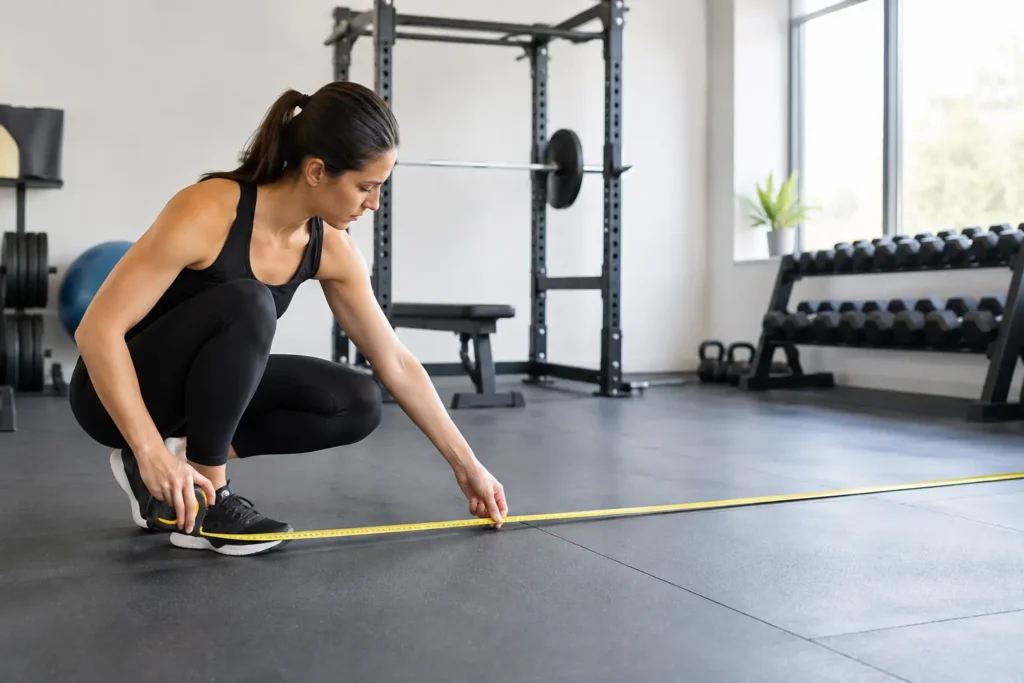
- Measure available floor and shelf space for a rack or storage tray.
- Estimate your target maximum single-hand weight in the next 12–24 months.
- Decide how often you’ll switch weights mid-workout (circuits vs straight sets).
- Check product durability details and read real-user notes about selector wear.
- Plan for safe storage (rack, tray) and a non-slip mat or flooring protection.
If space and budget are the main constraints, choose adjustable dumbbells for their compact versatility. If you lift heavy regularly, want the fastest workout flow, and need equipment that tolerates rough handling, fixed dumbbells are the better long-term choice. Consider a hybrid setup if both sets of benefits matter.
Are adjustable dumbbells as durable as fixed dumbbells?
Generally no — fixed dumbbells (solid steel or rubber-coated) tolerate drops and heavy use better. High-quality adjustables are durable for home use but require gentler handling.
Can adjustable dumbbells replace an entire fixed set?
For most beginner-to-intermediate users, yes; a single adjustable pair can cover warm-ups, accessory work and many heavy lifts up to their max setting.
Which is better for small apartments?
Adjustable dumbbells are usually better because they save significant space and remove the need for a bulky rack.
Is it safe to do heavy compound lifts with adjustable dumbbells?
Yes if the adjustable unit is rated for the weight and used correctly, but avoid dropping them. For frequent heavy compound drops, fixed dumbbells are safer.
How do I maintain adjustable dumbbells?
Keep the selector clean, store on their tray or stand, and inspect moving parts periodically for wear or looseness.