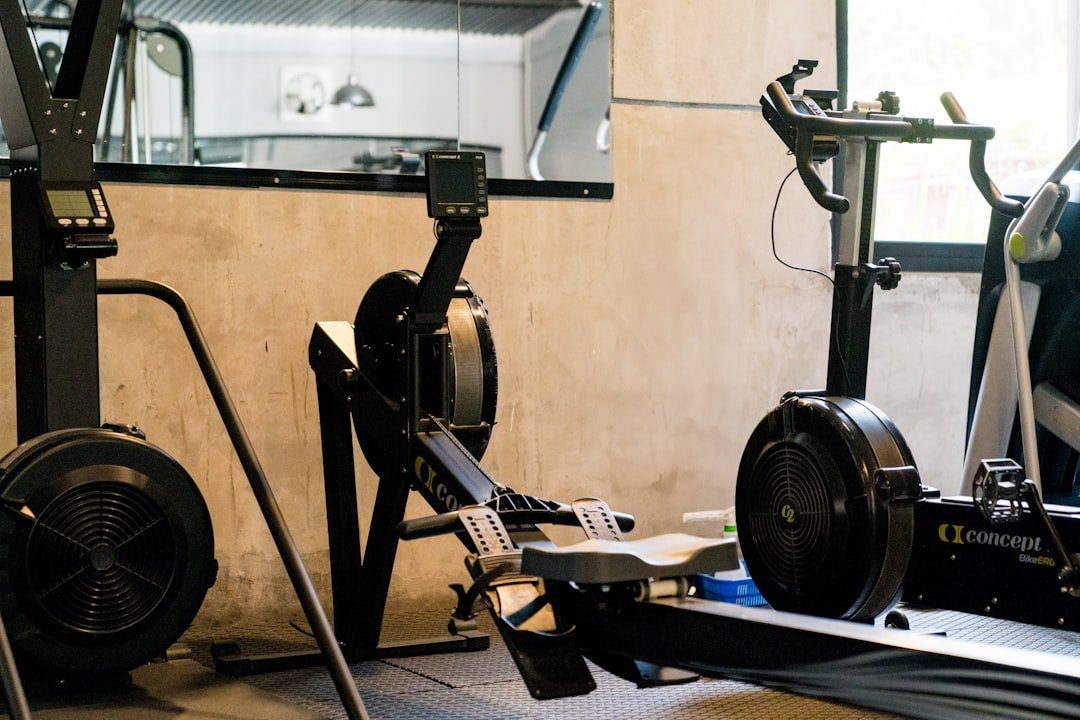
Short answer — which gives the better workout?
If you want a single best all-around session, a rowing machine typically gives the better workout: it engages more major muscle groups, raises heart rate quickly, and burns more calories per minute when you row hard. An exercise bike, however, is often the smarter daily choice for people prioritizing joint-friendly steady cardio, simpler setup, and lower learning curve.
How to decide: the four criteria that matter
Pick between these machines by ranking what you need most. I use four practical decision criteria below: overall conditioning and calorie burn, muscle engagement and strength carryover, impact and injury risk, and convenience for regular use (space, cost, technique).
1) Conditioning and calorie burn
Rowing: The rowing stroke combines leg drive, core transfer, and upper‑body pull. At moderate to high effort, rowing raises oxygen demand fast, so a 20–30 minute interval session usually yields high calorie burn. For interval work and short, intense sessions, rowing is especially efficient.
Bike: An exercise bike (upright or recumbent) lets you sustain steady-state cardio longer with less perceived effort. Calorie burn for a given heart rate is similar over long sessions, but bikes tend to feel easier, letting some people go longer. For pure endurance sessions, the bike may match or exceed total calories by duration.
2) Muscle engagement and functional benefits
Rowing: Trains posterior chain (glutes, hamstrings, lower back), quads, lats, rhomboids, biceps and core. That full-body recruitment improves muscular balance and transfers well to sports and daily lifts.
Bike: Primarily targets the quads, glutes and calves; core is used for stability but less so than rowing. Bikes are better for focused lower‑body conditioning and developing cycling-specific power.
3) Impact, joint stress and rehab considerations
Rowing: Low‑impact but requires hip hinge and back control; poor technique can aggravate the lower back. People with existing low‑back issues should learn proper form or favor lighter, higher‑stroke-rate sessions.
Bike: Generally the gentlest option for knees and hips—recumbent bikes are particularly forgiving. For joint pain, an exercise bike is often the safer everyday choice.
4) Practicality: space, noise, ease of use and consistency
Bike: Easier for most beginners—sit, pedal, adjust resistance and go. Upright bikes take less floor space; recumbents fit users who need back support. They’re also quieter and often cheaper to buy and maintain.
Rowing machine: Needs more horizontal space for the rail and a bit of technique coaching to get the most from each stroke. Magnetic rowers are quiet and compact when stored vertically; water rowers are louder but mimic on-water feel.
Meaningful trade-offs — when one clearly beats the other
- Max calorie burn in short workouts: Rowing wins. A hard 15–20 minute rowing interval session typically outpaces a same-length bike effort.
- Daily rehab or chronic joint pain: Bike wins—recumbent bikes offer back support and low knee loading.
- Limited space and noise sensitivity: Slight edge to compact upright or folding exercise bikes.
- Building balanced strength and posture: Rowing wins because it trains pulling motion and posterior chain that are often neglected by cycling.
- Beginner adherence and ease: Bike wins—almost anyone can start pedaling with minimal coaching.
How to choose based on specific goals
The following scenarios map common goals to the better choice and why.

Weight loss and time efficiency
If your schedule means you’ll do short, intense workouts, prioritize a rowing machine. Its full-body nature makes intervals and tabata-style protocols more productive per minute. If you prefer long steady-state workouts you’ll repeat several times a week, an exercise bike can equalize calorie burn through duration and higher adherence.
Cardio with joint limitations
Choose an exercise bike—recumbent or upright—if your knees, hips, or lower back limit movement. Bikes allow precise seat and pedal adjustments to reduce strain.
Balanced fitness and injury prevention
Rowing adds upper-body pulling and posterior chain strength that cycling alone often misses. If you’re already a cyclist or do a lot of sitting, rowing helps correct muscular imbalances.
Sport-specific training
For cycling events, bikes obviously transfer best. For rowing or sports needing whole-body power (cross‑training, obstacle races), choose a rower.
Beginner or family shared equipment
If several people with different fitness levels will use the same machine, an exercise bike is the lowest common denominator: easy to adjust and less risky with poor form.
Quick training tips to get the most from whichever you pick

- Rowing: Learn the sequence—legs then body then arms on the drive; arms then body then legs on the recovery. Keep a long spine and avoid reaching with the shoulders.
- Bike: Set seat height so there’s a slight knee bend at full extension; use cadence (rpm) targets—70–90 rpm for endurance, 85–100+ for higher-effort intervals.
- Both: Use heart-rate or perceived exertion to guide sessions; mix intervals and steady sessions for best cardiorespiratory gains.
One product recommendation for each need
If you want a reliable home rowing machine that fits most home gyms and emphasizes quiet, full‑body workouts, consider the top-ranked rowing option in our catalog for balanced performance and weight capacity.
If your primary need is a straightforward, low-impact bike for daily cardio and accessibility, a compact exercise bike is the right complement; see our upright bike options for smaller spaces.
Where to put it and what else to plan for
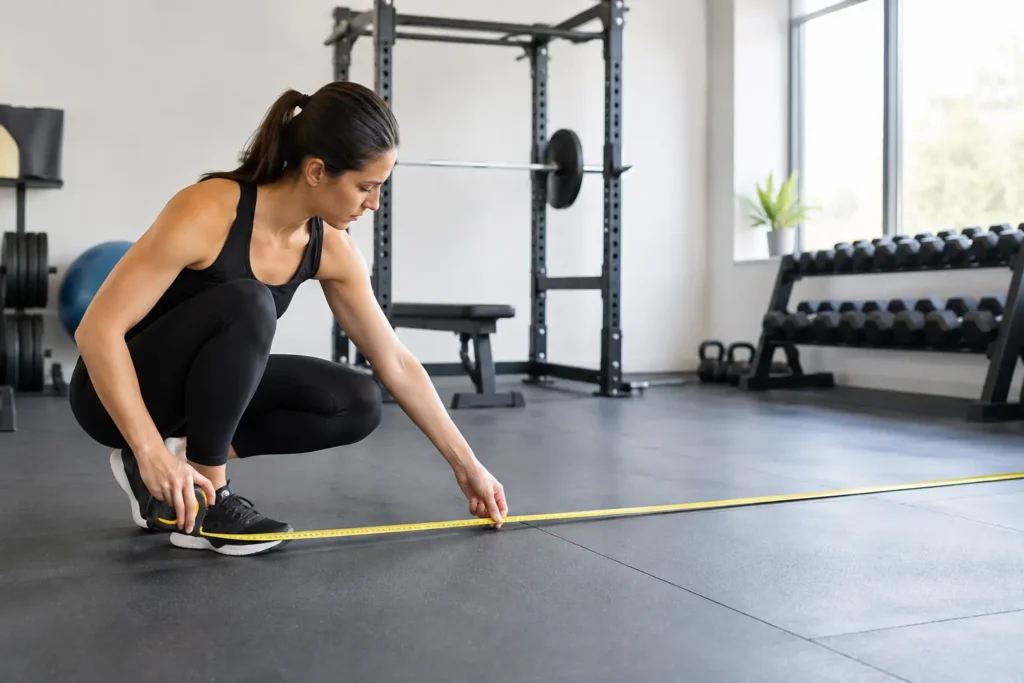
Allow at least 2–2.5 m (6.5–8 ft) lengthwise for a rowing machine in use; shorter for bikes. Add a thin rubber mat to protect floors and reduce vibration, and check clearance for full stroke or pedal arc. If storage is critical, look for a vertically storable rower or a folding bike.
- Which body areas do you most want to train—full body or lower body?
- Do you have back, knee, or hip issues that require low-impact options?
- Measure floor space and vertical clearance for the model you prefer.
- Decide whether you’ll do short intense intervals or long steady sessions most often.
- Plan for a mat and basic form coaching—especially for rowing technique.
A rowing machine typically gives a more efficient full‑body workout and higher short-session calorie burn, while an exercise bike offers simpler, lower‑impact cardio that supports consistent daily use. Pick the one that matches your primary constraint—time and intensity (rower) or joint comfort and ease (bike).
Which burns more calories: rowing or biking?
Per minute at matched high intensity, rowing usually burns more because it recruits more muscle mass; over longer durations, a bike can match total calories if you stay on longer.
Is rowing bad for your back?
Rowing is safe when done with proper technique—neutral spine and leg‑driven power. Poor form (overreaching or rounding) can strain the low back, so learn the stroke before heavy sessions.
Can beginners use a rowing machine?
Yes, but start with low resistance, focus on form, and keep sessions short until the stroke becomes smooth; follow guided tutorials or a coach if possible.
Which is better for small spaces?
An upright exercise bike generally takes less floor length; compact magnetic rowers can be stored vertically if needed, so check model dimensions before buying.
Should I combine both machines?
If space and budget allow, rotating between both is excellent: use the rower for high‑intensity, full‑body days and the bike for recovery or long steady cardio.