Most people skip one practical detail before buying: what they actually want the bike to do
To choose an exercise bike well, start by naming your primary goal—steady cardio, high‑intensity intervals for fitness, weight loss, low‑impact rehab, or comfort for long sessions. The focus phrase "choose an exercise bike" describes this decision: match bike type, resistance system, and fit to your main goal rather than chasing every feature.
Which bike type fits your goal: match use case to machine
Each bike style suits very different needs. Pick by use case first.
Upright bike — general cardio and compact home use
Good for people who want a simple cardio machine with a familiar riding position. Uprights sit between recumbent comfort and spin intensity. Choose one if you have limited space, want a straightforward workout, and occasionally stand to sprint.
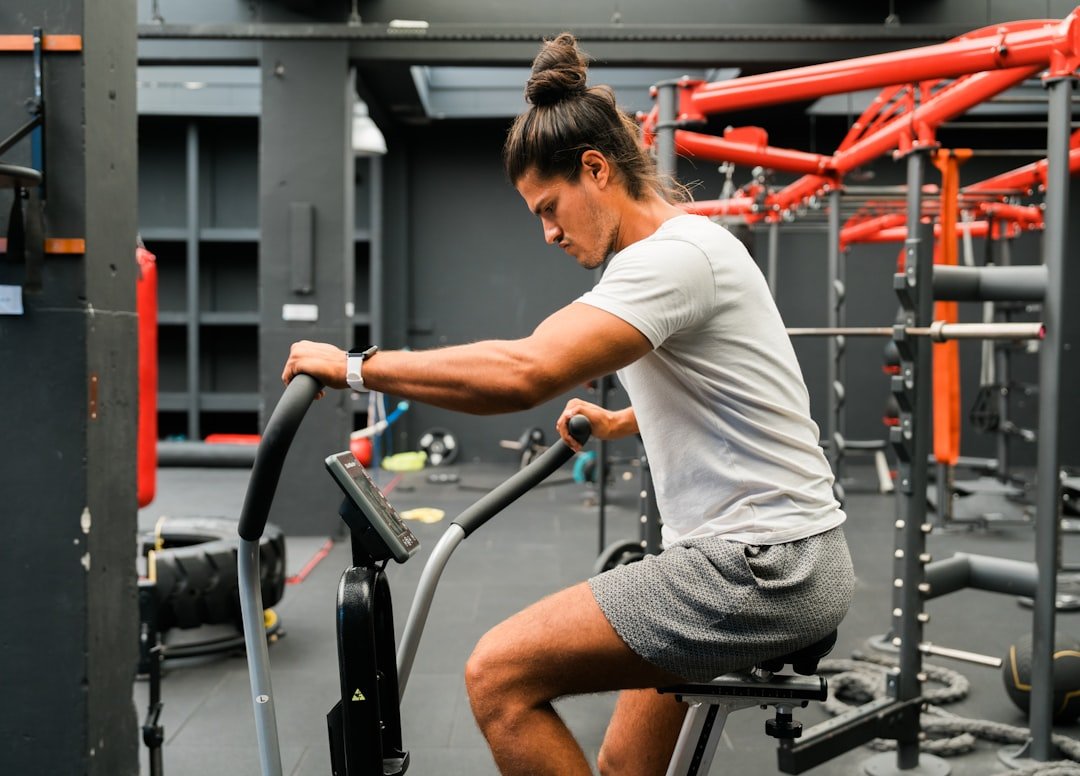
Indoor cycling / spin bike — interval training and performance
If your goal is intense interval training, calorie burn, or training for outdoor cycling, a spin bike is the right choice. These use heavy flywheels and offer responsiveness for standing sprints and high cadence. Expect a firmer seat and a more aggressive posture.
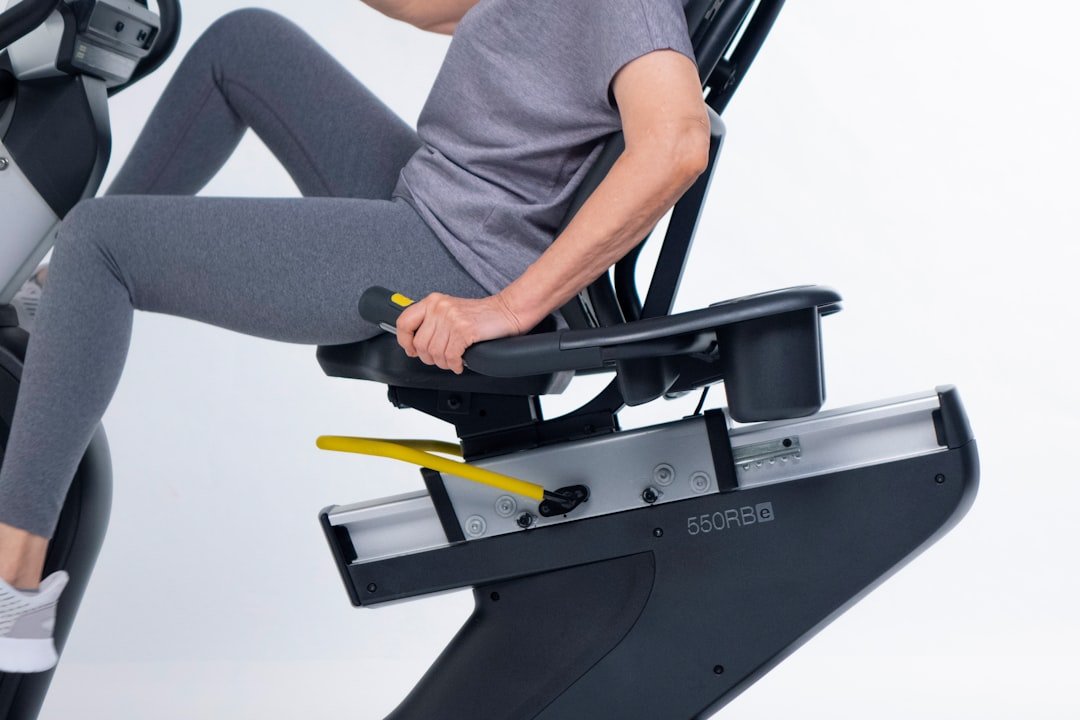
Recumbent bike — low‑impact cardio, seniors, rehab
Recumbents have a reclined seat and back support, making them ideal for low‑impact workouts, people with lower‑back problems, mobility limits, or those who prioritize comfort over intensity.
Under‑desk and compact bikes — active sitting and very light exercise
Consider these only if your goal is light movement during work or you need extreme space efficiency; they won’t replace a full cardio session.
What really matters after type: resistance, comfort, and data
After you pick the type, prioritize three things that shape daily use.
- Resistance system: Magnetic resistance (quiet, smooth, durable) typically fits most home users. Belt‑drive with friction can work for spin bike purists but creates more maintenance and noise.
- Adjustability and fit: Height and fore/aft saddle adjustment, handlebar height, and pedal crank length determine comfort and injury risk—try these adjustments before buying when possible.
- Console and connectivity: If you follow structured workouts or use apps, make sure the bike pairs with Bluetooth/ANT+, has reliable cadence/power metrics, or supports third‑party apps.
Noise, footprint and maintenance
Noise matters if you live with others or use the bike early morning. Magnetic and belt drives are quieter than chain or direct friction systems. Also measure the bike's footprint and add a mat to protect floors and reduce vibration.
How to evaluate comfort, fit and safety before you buy
Comfort and fit decide whether you’ll use the bike regularly.
- Seat and handlebar range: Can someone of your height achieve full extension without overreaching? A test ride helps—your knee should have a slight bend at the bottom of the pedal stroke.
- Pedals and shoes: Look for toe cages or compatibility with SPD/clip‑in pedals if you plan intense sessions. Flat pedals are fine for casual riders.
- Step‑through and entry: For mobility concerns, check step‑through height and whether you can mount/dismount safely.
- Emergency stop: Spin bikes should have a reliable emergency brake; electronic bikes should have an easily accessible stop button.
Data and training features that actually help progress
Decide which metrics will keep you accountable. For weight loss or general cardio, distance, time, calories (estimate) and heart rate suffice. For performance training, favor bikes that offer wattage/power output or connect cleanly to apps for structured intervals.
One small hardware-compatibility check that prevents returns
Confirm the bike’s maximum user weight, the floor protection required, and whether assembly is within your ability or needs pro setup. Also check replacement parts—saddles and pedals are wear items.
When a store product solves the need
After you know your use case, a practical recommendation helps you move forward.
If you want a versatile, quiet magnetic bike for general cardio and occasional interval work, consider the top-ranked magnetic option in the catalog. It balances durability and space efficiency for most homes:
For riders needing a true recumbent setup for rehab, comfort, or longer seated sessions, the recumbent model below provides the back support and ease of use many seniors and rehabilitating users need:
Buying timeline and test‑ride checklist
Plan a short test ride and checklist to avoid buyer’s remorse:
- Ride 5–10 minutes at varied intensities to feel resistance range.
- Adjust saddle and handlebars; ensure clearance and posture.
- Check noise at high resistance and while standing (if applicable).
- Pair your phone/tablet and test any app or connectivity features.
Quick budget guidance
Entry models cover basic cardio and occupy lower price ranges; magnetic bikes with better consoles and stronger frames live in the midrange; high‑end spin bikes with precise power meters and commercial frames cost more. Prioritize frame stability and resistance quality over flashy displays if you must choose.
- Name your primary goal (cardio, HIIT, rehab, comfort).
- Test saddle and handlebar adjustments for your height.
- Confirm resistance type is magnetic for quiet home use.
- Verify connectivity if you follow app‑based workouts.
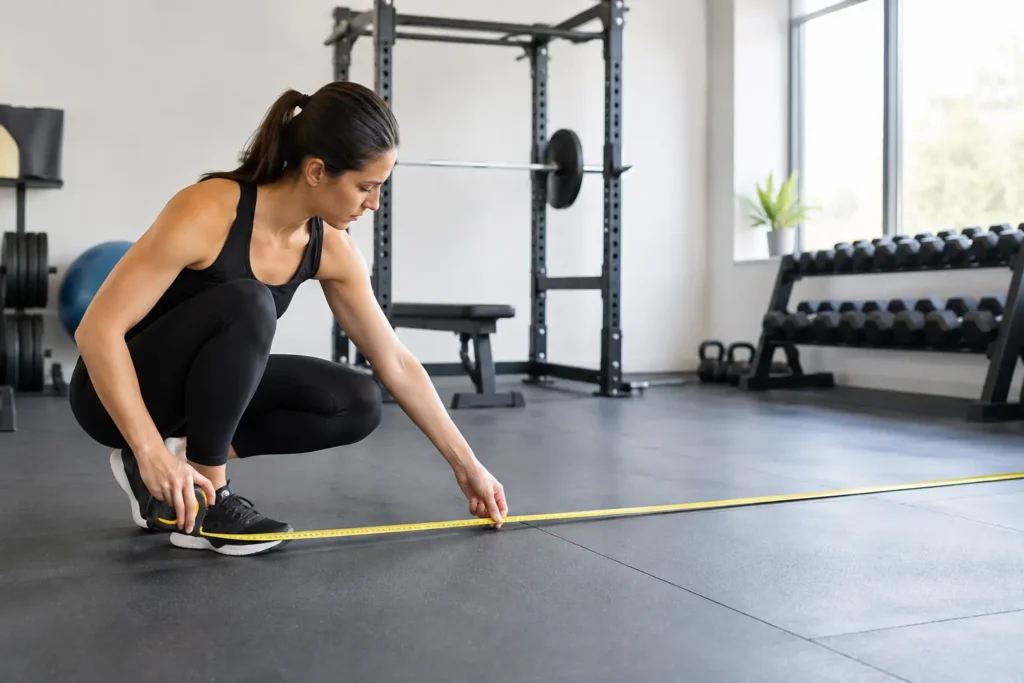
- Measure floor space and check weight capacity.
- Try a 5–10 minute test ride at varied intensities.
To choose an exercise bike, decide what you'll use it for first, then match the bike type and resistance system to that goal. Fit, noise, and connectivity are the practical details that determine whether the bike becomes a daily habit.
Is magnetic resistance worth the extra cost?
Yes for most home users: magnetic systems are quieter, smoother, and require less maintenance than friction systems, making them better for shared living spaces.
Can I lose weight using any exercise bike?
Any bike can support weight loss when paired with proper calorie control and consistent workouts; intensity and duration influence how quickly you see results.
Do I need wattage/power metrics?
Power metrics help if you follow structured training or want precise progress tracking; casual users can rely on heart rate, time, and perceived exertion.
Should I choose a recumbent if I have back pain?
Recumbent bikes ease lower‑back strain for many people, but try one first and consult a clinician for serious or chronic pain.
How much space should I reserve for an exercise bike?
Allow room for the bike’s footprint plus 1–2 feet on each side for mounting and movement; check exact product dimensions before purchase.