Short answer: choose the best treadmill for home by matching expected use to four core specs — motor power, running deck length, cushioning and durability — then confirm space, folding, and console features.
If you walk for fitness, a compact folding treadmill or walking pad often suffices; runners need a long, stiff deck and a 2.5+ CHP (continuous horsepower) motor; walkers who are heavier or want daily, long sessions should prioritize higher weight capacity and commercial‑grade cushioning. After those priorities, pick incline, programs, and connectivity to support motivation and tracking.
What actually matters when buying a treadmill
Most buyers think speed and price first. The more important, lasting factors are how you’ll use the machine and where you'll put it. Focus on these decision drivers in order:
- Primary use: walking, jogging, or running? Walking = lower horsepower, shorter deck; running = higher horsepower, longer deck and stiffer frame.
- User size and frequency: heavier users and daily high-volume workouts need higher weight capacity, stronger motors, and commercial-style parts.
- Space and storage: measure floor footprint and ceiling height; decide if a folding treadmill or flat walking pad is required.
- Durability & warranty: motor and frame warranty matter most; short warranties often indicate lower build quality.
- Comfort and impact: deck cushioning reduces joint stress — important for daily walkers and rehab users.
- Console & connectivity: simple displays are fine for basic use; runners or data-focused users should prefer detailed metrics, incline control and app compatibility.
Match treadmill specs to common use cases
For daily walkers or seniors (low-impact, space-conscious)
What to choose: folding treadmills or walking pads with 1.0–2.0 CHP motors, deck length 40–52 inches, weight capacity ≥250 lb, reliable handrails and a slow start. Cushioning helps but extreme shock absorption isn’t necessary if speeds stay <4 mph.
Why: walkers value compactness, steady low-speed torque, and safe controls. A folding treadmill saves floor space and is easier to move for storage.
For recreational joggers (mixed walking and running)
What to choose: 2.0–3.0 CHP motor, deck length 52–56 inches, weight capacity 275–300 lb, moderate cushioning, incline 10–15% if you plan hill workouts, and a stable frame that doesn't wobble above 6–8 mph.
Why: joggers need a stronger motor to maintain mid-range speeds and a deck long enough for a comfortable stride without overstretching.
For dedicated runners and interval training
What to choose: 3.0+ CHP motor (look for continuous horsepower spec), deck length 58–60+ inches (ideally 60+ for tall runners), high weight capacity (300+ lb if applicable), robust frame, low-deck flex, high top speed (10–12+ mph) and at least 15% incline capability. Shock-absorbing but firm deck favors efficient running form.
Why: sprint intervals and fast paces demand consistent motor power and a deck that doesn’t bounce or shorten your stride — otherwise your running economy and safety suffer.
For small apartments and multifunction spaces
What to choose: compact folding treadmills or walking pads with easy fold/unfold, locking transport wheels and a stable folded footprint. Check ceiling clearance if you store it upright. Prioritize noise level if neighbors or family members are nearby.

Key specs to compare (and what each really affects)
- Motor (CHP): Continuous horsepower predicts how well the treadmill holds speed under load. For reliable running choose 3.0 CHP or more; 1.5–2.5 CHP is fine for walking and light jogging.
- Deck length and width: Longer decks (58–62 in) suit runners; widths 20 in+ are comfortable for most people. Short decks make form awkward at faster paces.
- Frame and weight capacity: Heavier, tube-based frames vibrate less and last longer. Choose a weight capacity at least 20–30 lb above the heaviest expected user.
- Cushioning: Look for multi-layer decks or named shock systems; softer decks reduce joint stress but overly mushy decks can destabilize faster running.
- Incline and decline: Useful for training specificity — incline up to 10–15% is common. Decline is less common at home and adds cost.
- Console & connectivity: Heart rate options, programmable workouts, Bluetooth or app integration — prioritize what you'll actually use; excessive bells add cost.
- Noise: Motor type and belt tension influence noise. If running early/late in shared living spaces, seek quieter motors and read user reviews about sound.
When folding and size are negotiable — trade-offs explained
Folding treadmills save space but often sacrifice frame stiffness. If you run fast or do intervals, prioritize a non-folding or heavy-duty folding model with reinforced hinges. If you primarily walk, a compact foldable is usually the best compromise.
Where to place your treadmill and how to measure first
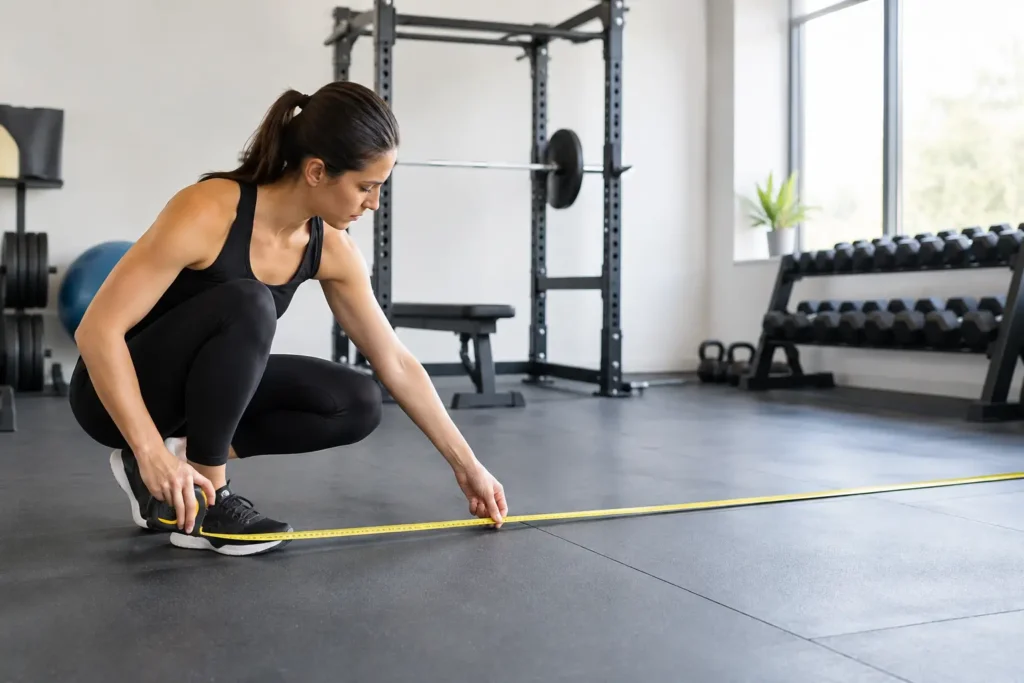
Measure: required floor space (length × width), plus 6–8 feet of ceiling clearance from belt to ceiling for running. Allow at least 2–3 feet behind the treadmill for safety. Check flooring: place on a mat or rubber tiles to protect underfloor and reduce vibration.
Practical product recommendation
If you want one straightforward option that covers most home needs (walking to moderate running, good durability, and space-saving), consider the site's top-rated treadmill in the Treadmills category. It balances motor strength, deck length, and a folding frame for typical home use.
Maintenance and ownership costs to plan for
- Lubricate the belt per manual (usually every 3–6 months depending on use).
- Check belt alignment and tension; a slipping belt reduces motor life.
- Replace consumables like incline motors or belts — factor repair/service access into your buying decision.
- Watch warranty specifics: motor and frame warranties are the most important; short warranties may lead to higher lifetime cost.
- Measure floor footprint and ceiling height for running clearance.
- Decide primary use: walking, jogging, or running.
- Confirm motor CHP, deck length, and weight capacity match use case.
- Decide if folding is required and check frame stiffness for your speed needs.
- Read motor/frame warranty details and local service options.
Start with how you’ll use the treadmill every week and pick the motor power and deck size that support that use. Then check space, folding, cushioning and warranty—those trade-offs determine long-term satisfaction more than extra apps or flashy consoles.
Do I need a 3.0 CHP motor to run at home?
Not always. Casual runners may be fine with 2.5 CHP, but for consistent high-speed running or interval training, 3.0+ CHP gives better longevity and smoother performance.
Is a folding treadmill less durable?
Many folding models are durable, but folding mechanisms can reduce frame stiffness; if you run fast, choose a reinforced folding model or a non-folding treadmill.
How long should the running deck be?
For walking, 40–52 inches is acceptable; recreational runners should look for 52–56 inches; dedicated runners and tall users should aim for 58–62+ inches.
What maintenance is essential?
Keep the belt lubricated per the manual, clean dust from the motor area, and check belt alignment and tension — this preserves motor life and ride quality.
Are incline features worth the extra cost?
Yes if you want varied workouts, hill training, or higher calorie burn in shorter sessions; basic users who stick to steady walking may not need steep incline ranges.