A reformer can turn a spare room, bedroom corner, or finished basement into a serious low-impact training space. But a pilates reformer for home is not a casual impulse buy: it is a large piece of equipment with real differences in footprint, feel, resistance, and price. The right one should make your workouts easier to start, not create a storage problem or collect dust after a few weeks.
For most home shoppers, the best choice is not the reformer with the longest feature list. It is the one that fits your body, your room, and the way you realistically plan to train.
Start With Your Space, Not the Sales Price
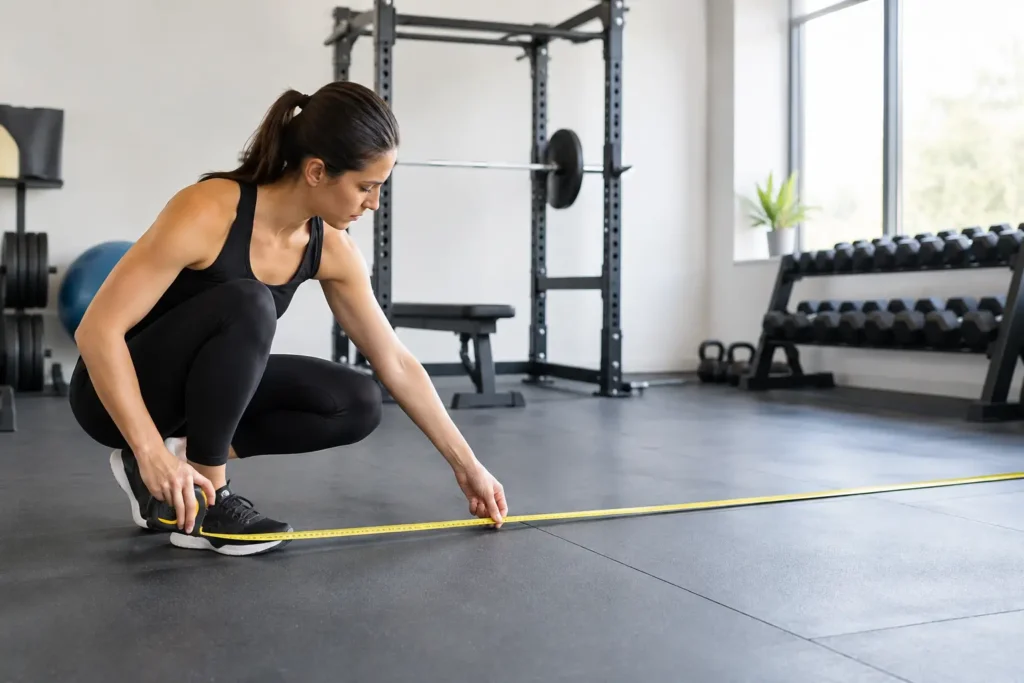
Measure the area where the reformer will live before comparing models. A typical home reformer is roughly 80 to 100 inches long, and you need clearance around it to get on, off, and move through exercises safely. Width matters too, especially in a room shared with a desk, bed, or other workout equipment.
Ceiling height is usually less of a concern than it is with a treadmill or cable trainer, but keep nearby furniture and wall space in mind. Some movements use straps, a jumpboard, or a raised footbar, and cramped surroundings can limit how comfortably you train.
A foldable model can be a smart answer for apartments and multipurpose rooms. Still, folding does not always mean lightweight or effortless to move. Check the unit's weight, folded dimensions, wheel design, and whether one person can safely store it. If you expect to set it up and put it away after every workout, a slightly simpler, lighter reformer may get used more often than a heavy premium model.
Choose a Pilates Reformer for Home Based on Use
Your experience level and workout style should guide the feature set. Beginners often do well with a stable, straightforward machine that has clear spring settings and a comfortable carriage. Advanced users may value greater resistance range, a wider carriage, a taller frame, or compatibility with accessories that expand exercise options.
Resistance: Springs Create the Workout Feel
Most reformers use springs rather than weight stacks. Springs provide resistance that changes through the range of motion, which is part of the controlled challenge people expect from reformer Pilates. More springs do not automatically mean a better workout. What matters is the available resistance range, the ease of changing springs, and whether the tension options match your current strength.
A basic spring setup can be enough for mobility work, core training, and beginner routines. If you want to progress with stronger leg work, athletic conditioning, or more demanding full-body sessions, look for several spring tensions. Color-coded springs are helpful because they make transitions faster and reduce guesswork.
Some compact machines rely on cords or elastic resistance instead of traditional metal springs. They can be practical for light use and tight budgets, but they often feel different and may not deliver the same long-term durability or load range. That does not make them a bad choice. It depends on whether you want an introduction to reformer-style movement or a machine you can grow with for years.
Carriage, Frame Height, and Fit Matter More Than They Seem
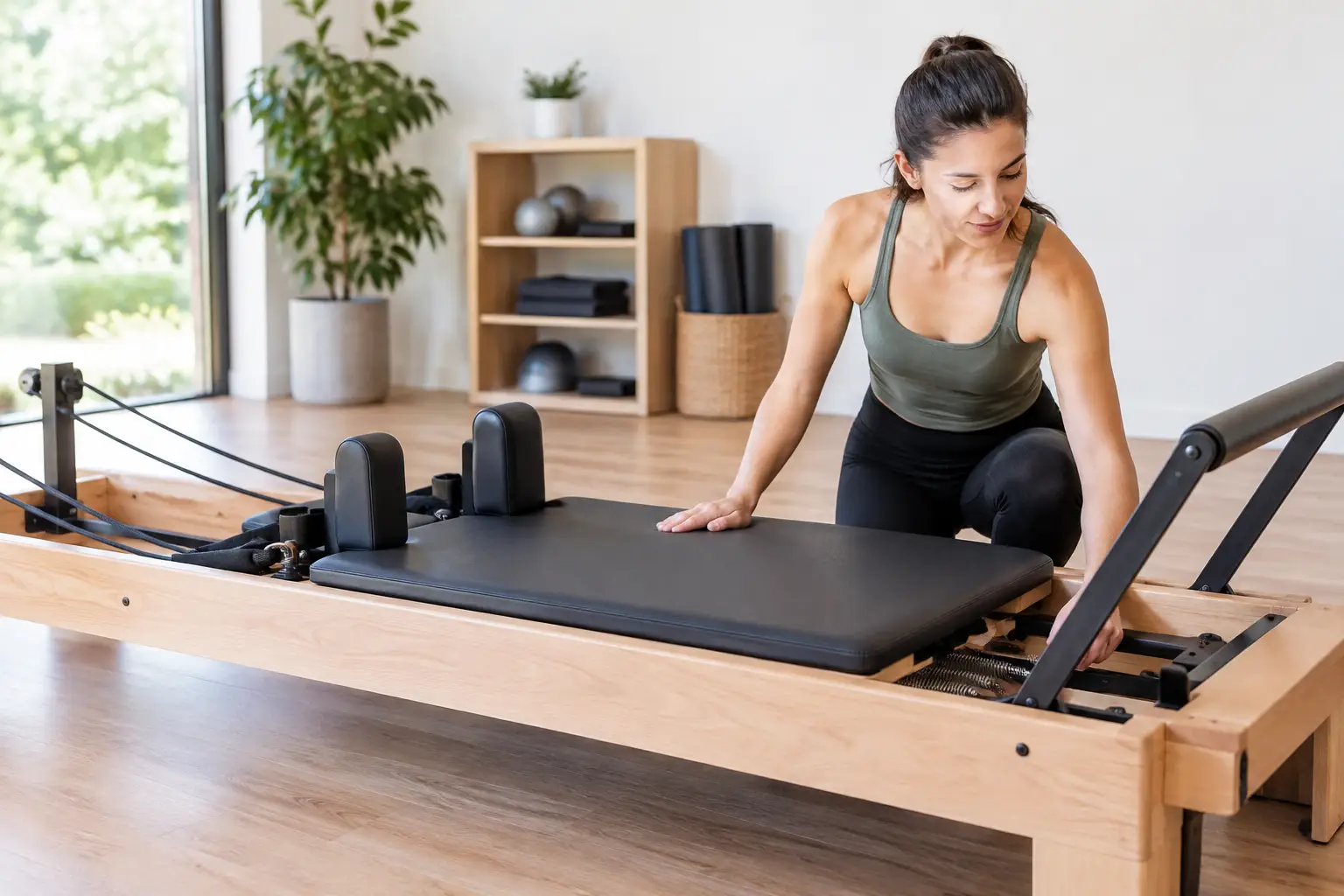
The carriage is the padded platform that moves beneath you. Look for smooth travel, firm padding, and a width that feels secure for your body. A narrow carriage may suit a compact setup, but some users prefer more room for side-lying work, kneeling positions, and transitions.
Frame height is another practical detail. Lower-profile reformers can be easier to store and may feel stable close to the floor. Higher frames are generally easier to get on and off, which can be a meaningful advantage for taller adults, older users, or anyone with knee or hip limitations.
Check the manufacturer's user weight limit, but do not treat it as the only sign of quality. Also consider frame material, carriage wheel construction, warranty terms, and reviews that mention stability or noise. A reformer should feel planted during lunges, planks, and single-leg work, not shift or rattle across the floor.
Know Which Features Will Actually Help
Reformers can come with an impressive assortment of additions. The key is separating useful training tools from extras that only increase cost and storage needs.
A footbar with multiple positions helps accommodate different heights and exercises. Adjustable ropes or straps are equally valuable because they let you set a comfortable reach for arms and legs. A removable jumpboard can add low-impact cardio-style movement, while a sitting box supports seated, prone, and side-lying variations.
A tower attachment or vertical frame can greatly broaden your training options with push-through bars and additional spring work. It can be worthwhile if Pilates is becoming a central part of your home routine. However, it requires more room, more setup knowledge, and often a higher budget. For someone who plans to follow two or three weekly beginner classes, a quality standard reformer may be the better value.
Do not overlook small comfort details. A supportive headrest, secure shoulder rests, quiet wheels, and straps that are easy to grip make a noticeable difference over repeated sessions. If the machine feels awkward or loud, even a good deal can become a frustrating purchase.
Set a Budget That Includes the Full Setup
Home reformer pricing ranges widely. Entry-level compact options may cost a few hundred dollars, while studio-style machines and reformer-tower combinations can reach several thousand. A higher price can reflect stronger materials, better adjustability, smoother carriage movement, and a longer expected service life. It can also reflect specialized attachments you may not need.
Think beyond the sticker price. Your setup may also need a protective floor mat, especially over hardwood or tile, plus enough room to store accessories. If you are starting from scratch, you may want a Pilates ring, light dumbbells, or a mobility mat for non-reformer sessions. Those are optional, but they can help you build a more flexible routine.
Shipping and assembly deserve attention, too. Large reformers may arrive partly assembled, while others require more involved setup. Confirm delivery arrangements, box dimensions, return terms, and the warranty before ordering. A low advertised price loses its appeal if return shipping is expensive or replacement parts are difficult to get.
Match the Reformer to Your Routine
Be honest about how you prefer to exercise. If you like guided workouts, choose a reformer that matches the equipment commonly used in the classes you plan to follow. If you prefer short independent sessions, prioritize fast adjustments and a layout that feels intuitive without constant reference to a manual.
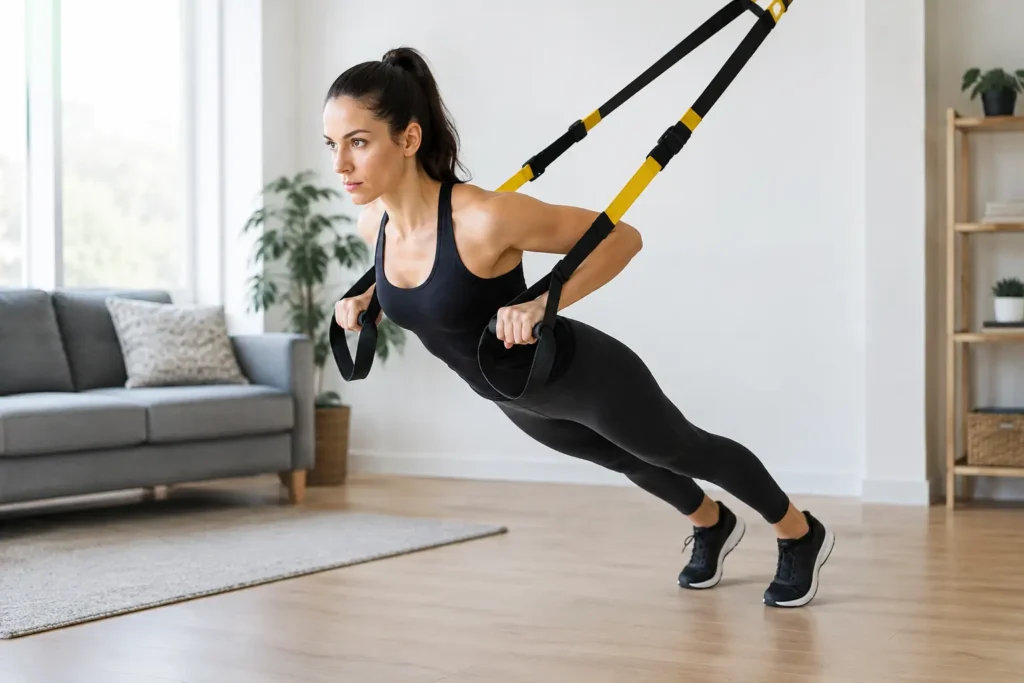
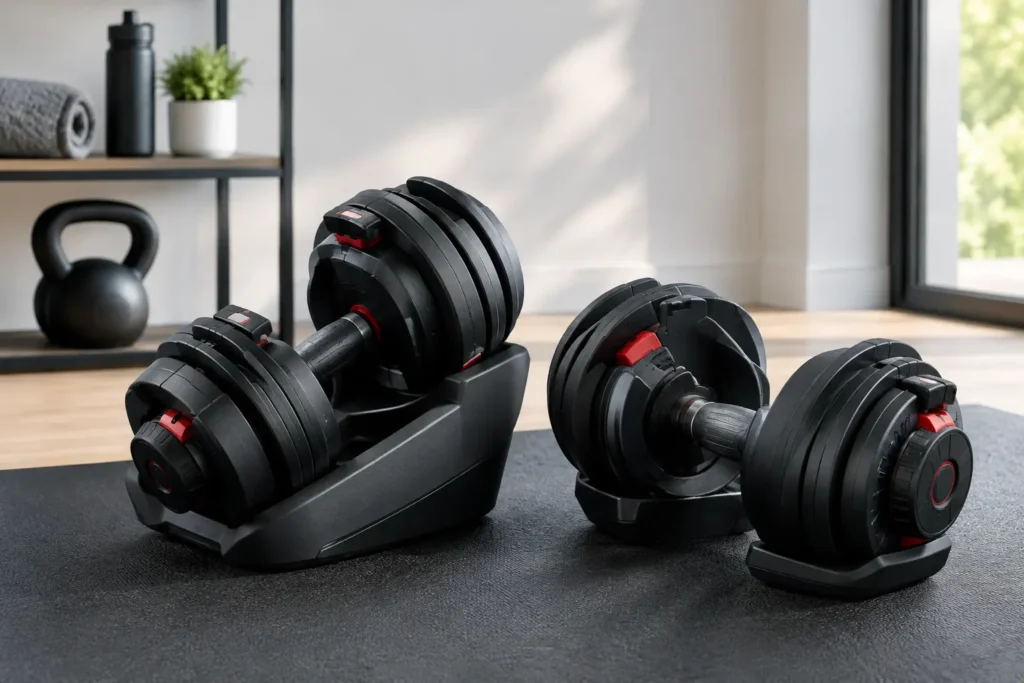
A reformer is especially useful for people who want low-impact strength work without relying on heavy weights. It can challenge the legs, glutes, core, back, and upper body while supporting controlled movement. It is not a complete replacement for every kind of training, though. If your primary goal is heavy strength progression, you may still benefit from adjustable dumbbells, a bench, or a rack setup. If cardiovascular fitness is the main goal, walking, cycling, or a cardio machine should remain part of the plan.
That broader view prevents one purchase from carrying unrealistic expectations. The reformer can be the centerpiece of a balanced home gym, or it can be a focused tool for mobility, strength endurance, posture, and recovery days.
Before You Buy, Use This Quick Reality Check
Before committing, picture a normal Tuesday evening. Will the reformer be ready to use, or buried behind furniture? Can you get down to the floor and back up comfortably? Will its resistance and setup support the classes or movements you enjoy?
Also ask whether the machine gives you room to progress. The best value is rarely the cheapest model or the most elaborate one. It is the reformer that fits your home now, feels good to use, and still gives you a reason to come back next month.
A thoughtful setup does not need to look like a commercial studio. Give yourself enough space to move, choose equipment that supports your actual habits, and let a consistent 20-minute session count as a win.