Start with the result you want: a progressive strength corner that fits your room
If your goal is to train heavy, get stronger, and keep adding weight without taking over the house, plan a dedicated footprint roughly 4–6 ft wide by 6–8 ft deep — enough for a barbell or a bench and room to move. That end result guides every choice: if you can’t allocate that space, you’ll need different equipment or adaptations (more below).
Choose the layout and measure carefully
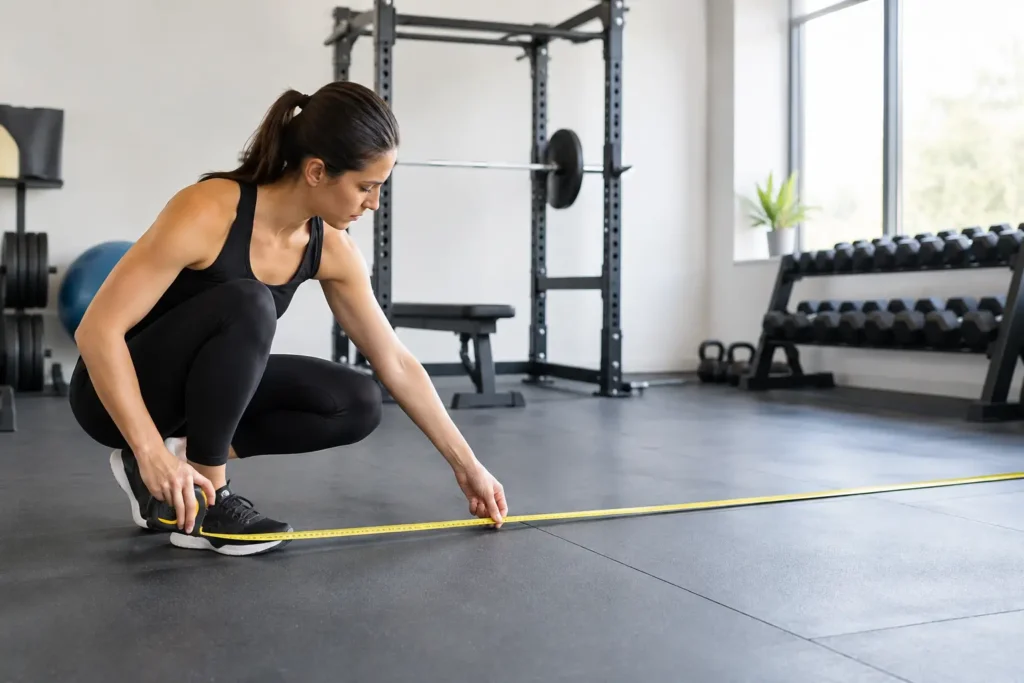
Measure ceiling height, doorways, and the actual cleared floor area. Note the floor type (concrete, wood) and nearby obstacles: windows, radiators, shelves. A common efficient arrangement places a compact power rack or squat stand against a wall with 36–48 inches of clear space in front for presses and barbell rows, and a narrow bench stored upright when not in use.
If you have low ceilings (<8 ft) or a shared room, favor squat stands or folding racks that can be removed after workouts. Wherever you put heavy gear, ensure you can load and unload plates safely without bumping walls or light fixtures.
Pick equipment for versatility and small footprint
Prioritize tools that let you progress across major lifts without needing many separate machines:
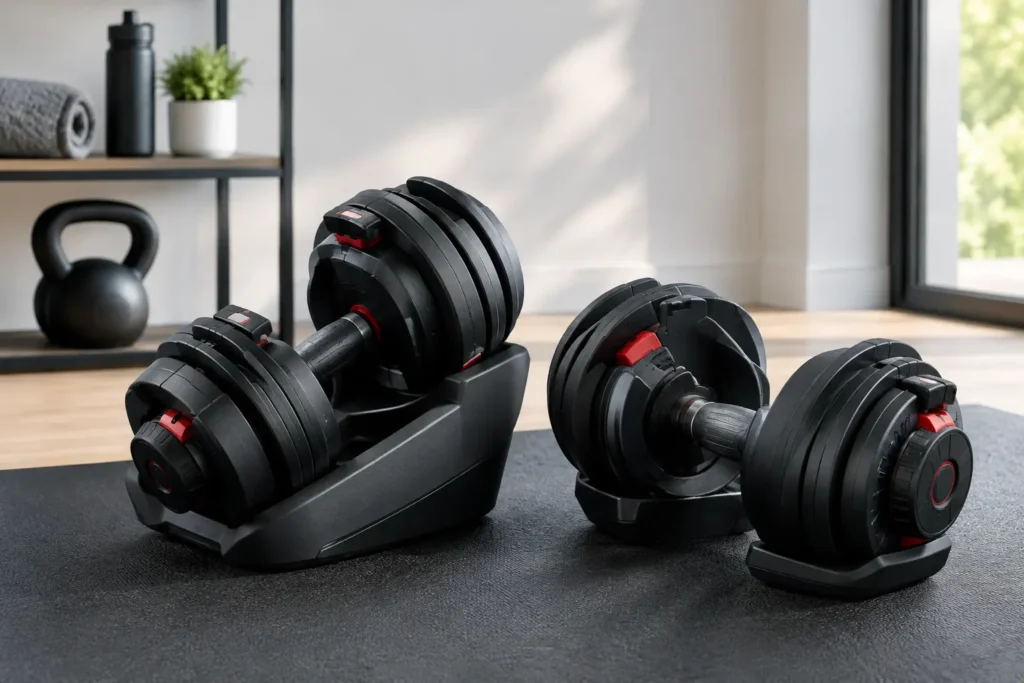
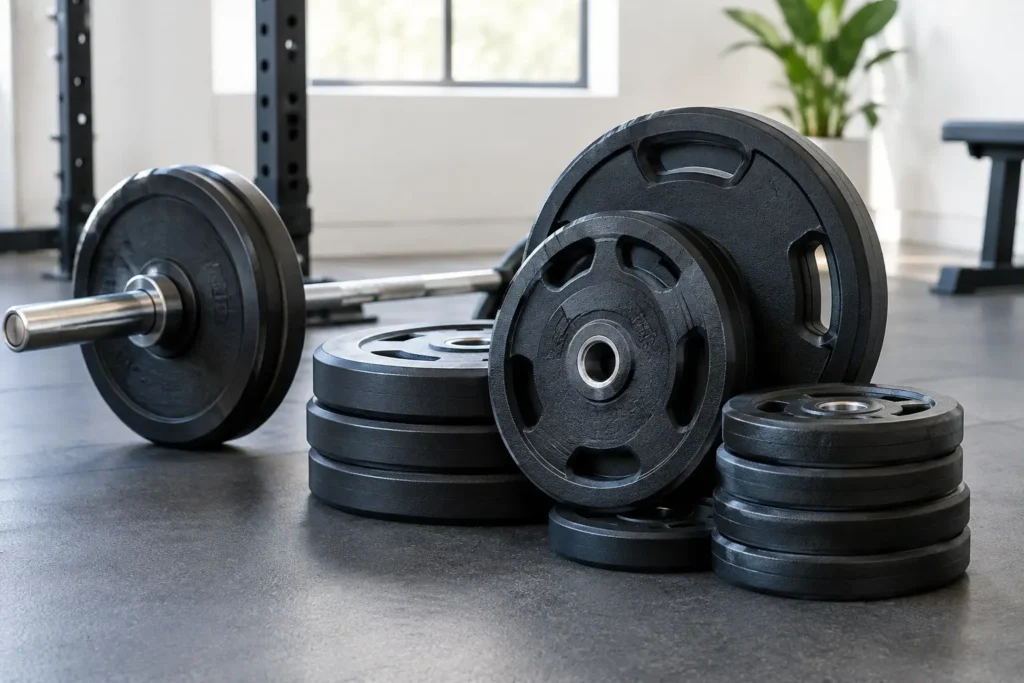
- Barbell + plates or a quality adjustable barbell set — best for squats, deadlifts, presses. If you don't have space for plate storage, consider adjustable dumbbells as the main load-bearing option.
- Compact power rack or half-rack — allows safe squats and benching in a small footprint. If you truly lack vertical or floor space, a pair of sturdy squat stands with spotter arms can substitute.
- Adjustable bench that folds upright for storage.
- Adjustable dumbbells and a few kettlebells — for unilateral work, conditioning and accessory lifts while taking minimal space.
- Resistance bands and a suspension trainer to add variety without bulky gear.
Product pick: for many compact setups the top-ranked all-in-one station fits best because it stacks capability into a small footprint. Consider the ID 1144 multi-function home gym when you want an enclosed, lower-maintenance option that replaces a separate rack and many cable machines.
Protect the floor and control noise
Interlocking rubber floor tiles are the simplest way to protect subfloors and reduce impact noise. Aim for 3/8"–1/2" density for most lifting; if you’ll drop heavy plates regularly, choose thicker tiles or add a central deadlift platform section. Edge tiles keep a finished look and limit trip hazards.
Design storage that saves space and speeds setup
Good storage is the difference between a chaotic corner and a functional gym. Use vertical storage: wall-mounted racks for barbells, plate trees tucked behind the rack, and wall shelves or pegboards for bands, handles, and collars. A fold-up bench or bench on wheels lets you roll equipment into place and stow it afterward.
Safety and ergonomics: lighting, mirror, and clearances
Bright, even lighting and a wall mirror where you press or squat help with form and safety. Keep 2–3 ft of clearance around equipment for safe loading and to avoid hitting walls. Anchor any suspension trainer or pull-up bar per manufacturer specs; review ceiling joist locations if mounting to overhead beams.
Noise and apartment considerations
If you live in an apartment, reduce noise with thicker rubber underlay, avoid dropping heavy plates, and prefer resistance bands, dumbbells, or cable-style machines. Consider a vibration-damping mat under the rack and schedule louder lifts during acceptable hours.
Build a progressive plan that matches gear and space
With limited space, choose progressive programs that fit the equipment: barbell linear progression, dumbbell strength cycles, or kettlebell complexes. Track weekly load or reps so your limited gear still supports steady overload. If room or neighbors limit heavy lifts, replace some sets with higher-frequency, moderate-load work and tempo control to keep progress.
Troubleshooting common small-gym problems
Problem: No space for a full rack. Use squat stands plus a wall-mounted bar holder for storage, and train from the floor (deadlifts, rows) or with dumbbells for presses and unilateral work.
Problem: Neighbors complain about noise. Switch to tempo-focused lifts, use kettlebells and dumbbells, and add thicker underlay. Drop sets can be replaced by controlled eccentric reps.
Problem: Can't store plates. Use adjustable dumbbells or a selectorized home gym (like the ID 1144 option) that includes built-in weight stacks to avoid loose plates entirely.
One smart purchase decision
If you must choose one central item for a small strength area, prioritize a compact rack or well-reviewed multi-function station that supports barbell work and stores neatly. That choice determines whether you can safely perform squats and bench press at home and is the keystone for progressive strength gains.
- Measure ceiling height, doorways and a 4–6 x 6–8 ft usable footprint.
- Decide barbell + rack or adjustable dumbbells based on space and goals.
- Select rubber flooring appropriate to your lifting style.
- Plan vertical storage for barbells, plates and accessories.
- Arrange lighting and a mirror for form checks.
- Pick a primary purchase (compact rack or multi-function station) to build around.
Design the space around the lifts you want to do: a compact rack and barbell give the most options for strength, while adjustable dumbbells or a selectorized station are better for tight spaces or noise-sensitive situations. Protect the floor, store vertically, and pick one versatile core item to center the area.
How much floor space do I really need?
For basic barbell work and a bench, aim for about 4–6 ft wide and 6–8 ft deep; if you use only adjustable dumbbells and kettlebells, a smaller 3–4 ft by 4–6 ft patch can suffice.
Can I do serious strength training without a rack?
Yes—deadlifts, Romanian deadlifts, lunges, single-leg work and many presses can be done with dumbbells or kettlebells. For heavy squats and benching, a rack greatly improves safety and progression.
What flooring thickness is best for apartment lifting?
Interlocking 3/8"–1/2" rubber tiles work for most lifts and reduce noise; use thicker material or a central platform if you plan to drop weights regularly.
Should I choose a multi-function station or build with separate pieces?
Choose a multi-function station if you need compact, contained functionality and minimal setup; choose separate pieces if you want upgrade flexibility and the space to expand over time.
How do I store plates in a small area?
Use a slim plate tree, wall-mounted vertical storage, or select equipment that minimizes loose plates (adjustable dumbbells or selectorized machines).