Most people overbuy or grab the first set they see — the short answer
If you want something simple: buy a set of loop bands (multiple resistance levels) and one tube band with handles. Those two cover most needs: lower-body strength, assisted pull-ups, and basic upper-body pressing/pulling. Add a flat therapy band only if rehabbing or following a clinician’s program.
Why two basic types cover most workouts
Resistance bands vary by shape, material and how force scales as they stretch. That matters for exercise feel and where you’ll actually use them.
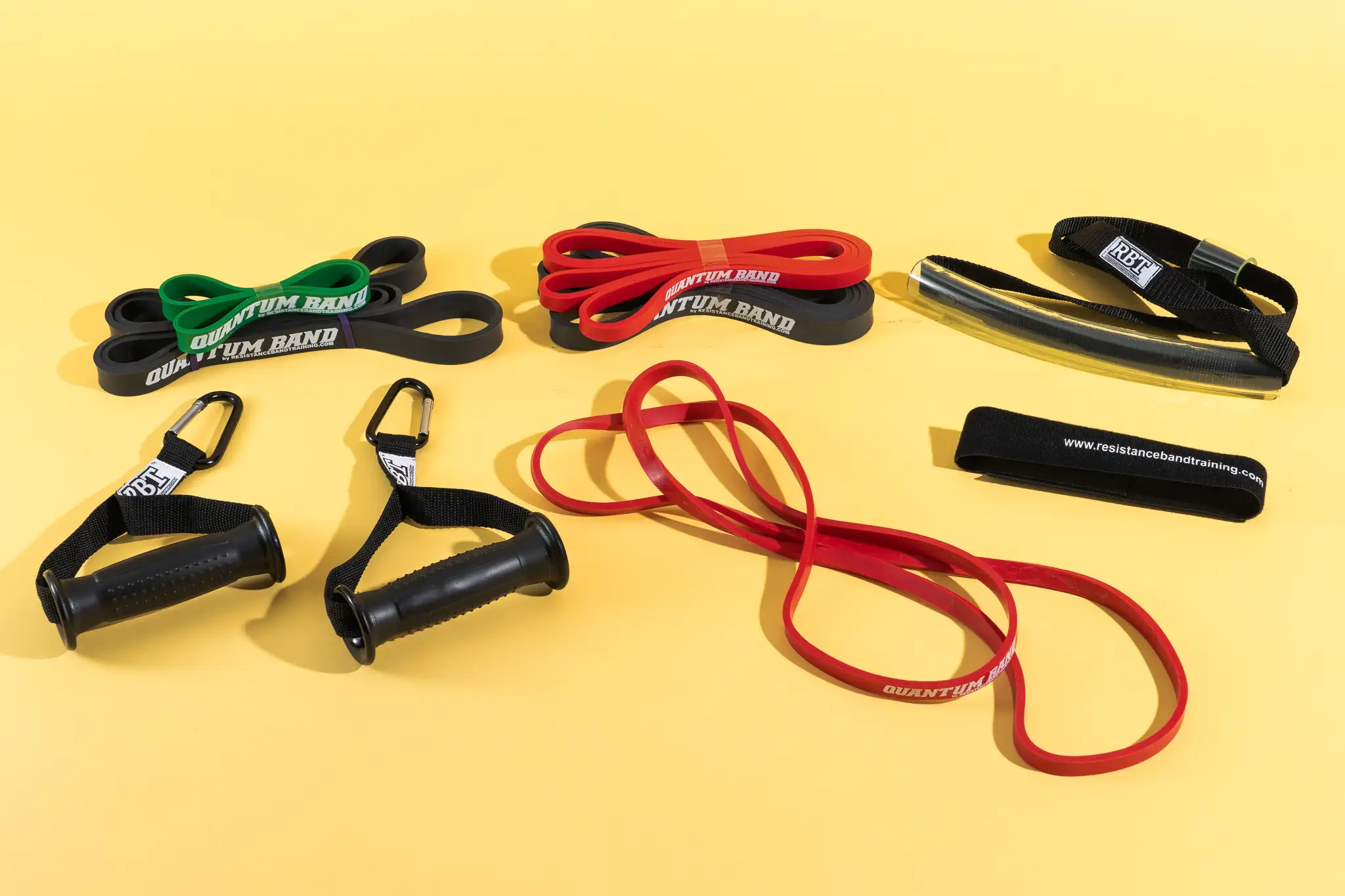
- Loop bands (short, continuous loops) — excellent for leg and glute training, lateral work, and adding band tension to squats/hip hinges. They’re compact, travel-friendly and inexpensive.
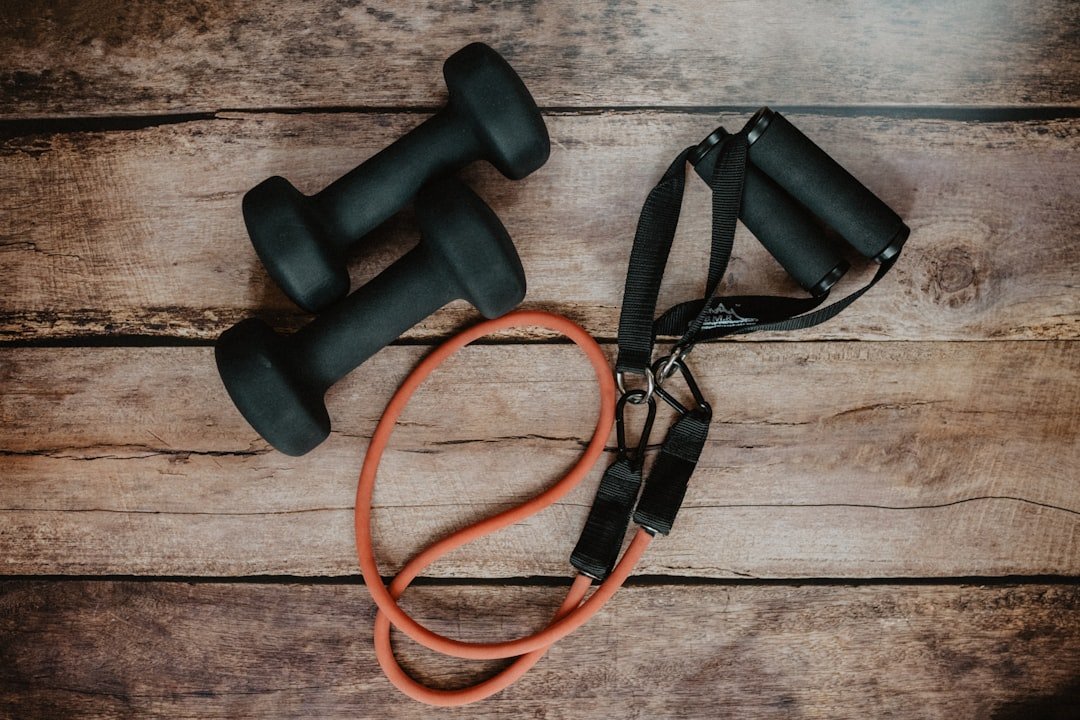
- Tube bands with handles — better for emulating dumbbell/bar movements: rows, presses, curls. Handles increase comfort and make it easy to attach a door anchor for anchor-point work.
- Flat therapy bands — thin, flat bands used in rehab, mobility and high-rep accessory work because they provide predictable, lower resistance and are easy to wrap around limbs.
- Pull-up assistance bands (wide loops) — usually heavy-duty loop bands sized to feed under a foot or knee and up over a bar to assist pull-ups. You can also use stronger loop bands for squats and deadlifts by doubling them.
Bands are typically graded from light to extra heavy. Unlike fixed weights, resistance increases as the band stretches — a light band can feel much heavier at long ranges of motion. For practical buying:
- Beginners: a light-medium loop and a medium-heavy loop; a light tube band for upper-body work.
- Intermediate lifters: a full set of loop bands (5 levels) plus a heavy tube band with handles.
- Rehab or seniors: mostly flat therapy bands in lighter resistances; a single light loop for gentle strengthening.
Color codes vary by brand. Don’t assume “green = medium” across products; check the poundage or intended use listed by the maker before you buy.
Common use-cases and the specific band to choose
- Glute/hip work, banded walks, monster walks: Short loop bands (mini-loops) are ideal — get a set with at least two levels so you can progress.
- Assisted pull-ups and added tension for squats/deadlifts: Choose pull-up assistance bands (thicker loop bands). A heavy and an extra-heavy give the most utility.
- Full-body home workouts replacing dumbbells: A tube band with handles and a door anchor lets you press, row and curl with a smooth grip.
- Rehab, stretching and gentle activation: Flat therapy bands are easiest to wrap around limbs and control fine resistance.
- Travel and minimal gear: A tiny set of loop bands (light–heavy) folds into a pouch and covers almost all mobility and bodyweight strength needs.
Materials, durability and what to avoid
Most bands are natural latex or fabric. Latex bands are common, springy and inexpensive but can snap if nicked and may cause allergies. Fabric bands are thicker, feel less sharp against the skin, and often last longer but are bulkier.
Avoid very cheap bands that don’t list resistance levels or customer safety tests. Inspect bands for nicks and store them out of direct sunlight — UV and heat degrade elasticity.
When you need more than the basics
Choose specialty items only if you have a clear use case:
- Advanced lifters wanting to replace heavy barbells: multiple heavy tube bands or band systems intended for deadlift/squat loading.
- Gym equipment integration: wall anchors or permanent band pegs for a dedicated training station.
- Pull-up progression specialists: a set of graduated assistance bands to step down gradually as you gain strength.
One practical recommendation to get started
For most readers, a small set that combines loop bands and a tube band is the most useful single purchase. It covers lower-body, upper-body and assistance needs without clutter.
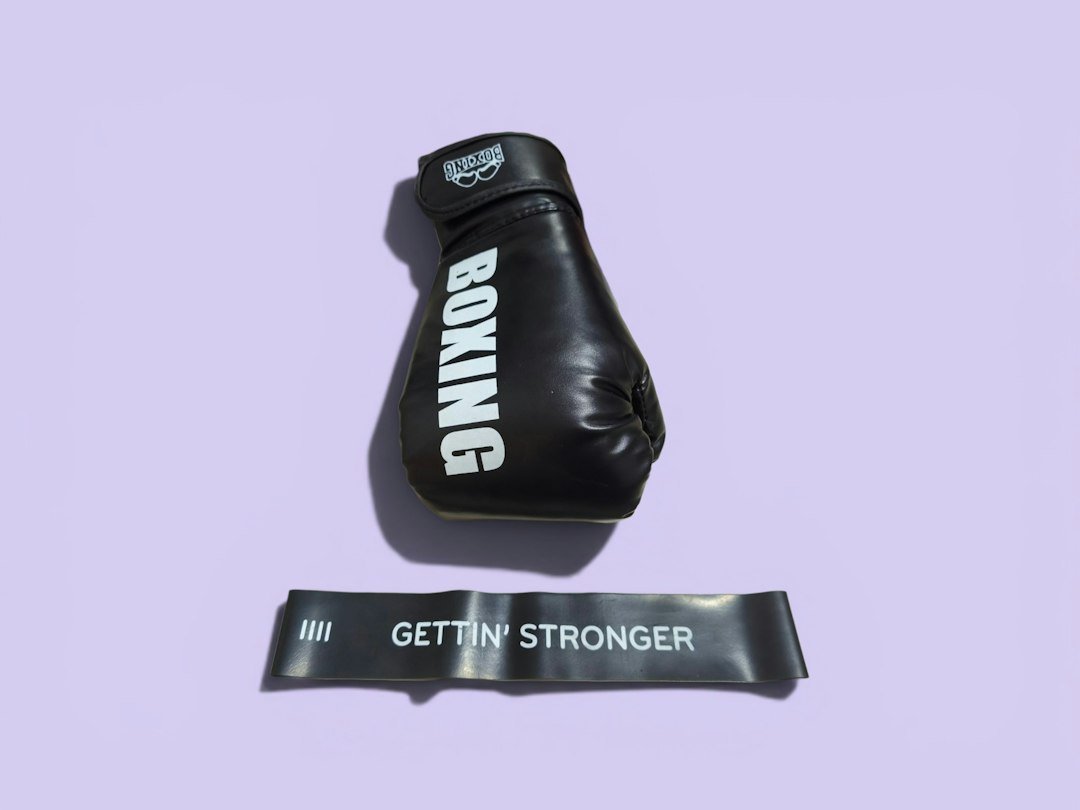
The Fit Simplify loop set (example above) offers multiple loop resistances for legs and mobility; pair it with a tube band with handles if you do pressing and rowing movements regularly.
- Decide primary goal: strength, rehab, or travel-friendly workouts.
- Choose loop bands for lower-body focus; tube bands for upper-body mimicry.
- Pick a set with at least three resistance levels (light, medium, heavy).
- Check material (latex vs fabric) for durability and allergies.
- Buy a door anchor if you’ll do band rows/presses at home.
- Inspect bands regularly and store away from sunlight and heat.
Buy a small, versatile kit: loop bands across multiple resistances plus one tube band with handles. That combination covers the majority of strength, assistance and travel needs; reserve flat therapy bands for clinician-guided rehab.
Can bands replace weights?
They can for many exercises—especially for beginners and for accessory work—but heavy barbells remain superior for maximal strength in advanced lifters.
How many resistance levels do I need?
At minimum three (light, medium, heavy); five is ideal for steady progression and pairing for added load.
Are fabric bands better than latex?
Fabric is often more comfortable and durable but bulkier; latex packs smaller and is more elastic. Choose by skin sensitivity and storage needs.
Should I get a door anchor?
Yes if you plan to use tube bands for rows or presses at home; it expands exercise options and improves safety.
How do I know when to progress?
Increase resistance when you can do your target reps with good form and minimal fatigue—switch to a stronger band or combine bands for more load.