You’re getting ready for class and fumble between two mats: one thin and easy to carry, the other plush and comforting under your knees. Which one actually helps your practice?
The single most useful thing to know about yoga mat thickness is this: pick the thickness that matches how you use the mat—your practice style, body sensitivity, and where you plan to use it. Below is a clear, use-case-first guide so you can choose a mat that supports you without creating trade-offs you’ll regret.
What actually matters when choosing yoga mat thickness
Thickness affects four things: cushioning (joint comfort), stability (balance and poses), portability (weight and roll size), and durability (wear over time). Thicker mats cushion better but can reduce balance and increase weight; thinner mats are stable and light but can be uncomfortable on hard floors. Grip, material, and surface texture matter too—thickness alone doesn’t guarantee slip resistance.
Match mat thickness to how and where you practice
Travel, commuting, or studio drop-ins: 1–2 mm
Why choose this: ultra-light and rolls very compact—easy to sling over a shoulder or pack in a suitcase.
- Best for: hot yoga, studio classes (studios provide mats), frequent travelers, or anyone prioritizing portability.
- Trade-offs: minimal cushioning—your wrists, knees and tailbone will press closer to the floor.
- Tip: layer a small folded towel for extra knee padding when needed.
All-around home practice and most classes: 3–5 mm (standard)
Why choose this: balanced cushion and stability—most people do best here. 3mm leans firmer and more stable; 5mm gives extra comfort without excessive softness.
- Best for: mixed vinyasa, alignment classes, at-home daily practice, and beginners who want some joint padding.
- Trade-offs: 5mm mats are slightly heavier and bulkier than 3mm, but still portable for short trips.
- Example: a 4–5 mm mat often suits those seeking a forgiving surface for floor work and standing balance poses.
Joint issues, restorative practice, or floor-based Pilates: 6 mm and up
Why choose this: serious cushioning for knees, hips and spine—feels like a soft pad under you.
- Best for: restorative yoga, gentle/mobility work, older practitioners, and anyone with chronic joint pain who prioritizes comfort over strict balance.
- Trade-offs: heavier, less stable for standing balances, and can make foot-anchoring poses feel springy.
- Note: if you need both shock absorption and stability, consider pairing a thick mat for home use with a thinner travel mat for classes.
Specialty needs: extra-wide, extra-long, or thicker than 6mm
Taller practitioners or those who want more surface area should look for mats labeled “extra-long” or “extra-wide” in the thickness range they prefer. Very thick foam exercise mats exist for extreme cushioning but are bulky and not ideal for balance work.

How thickness interacts with grip, material, and durability
Don’t judge a mat by thickness alone. The same thickness can feel very different depending on material:
- TPE and natural rubber usually provide good grip; a 4mm rubber mat can feel stickier than a 6mm PVC pad.
- Closed-cell surfaces resist sweat and are easier to clean; open-cell surfaces absorb moisture and can require more care.
- High-density materials compress less under weight and stay supportive longer—so a thinner high-density mat can outlast a thicker low-density foam mat.
Quick scenarios and the right thickness choice
- If you practice hot yoga regularly and carry your mat: choose 1–3 mm for portability and enough studio grip.
- If you’re new to yoga and want a comfortable daily mat: 4–5 mm is a sensible middle ground.
- If you have sensitive knees or prefer slow, restorative classes: 6 mm or thicker for cushioning at home.
- If you travel and sometimes need cushioning: carry a thin travel mat and keep a thicker mat at home.
- If you do balance-heavy power vinyasa and care about footing: favor lower thickness (3–4 mm) with a sticky rubber surface.
When a specific product fits your need
After you decide which thickness makes sense, pick a mat material and brand known for its density and grip. Two options in our catalog are strong fits depending on the common needs above:
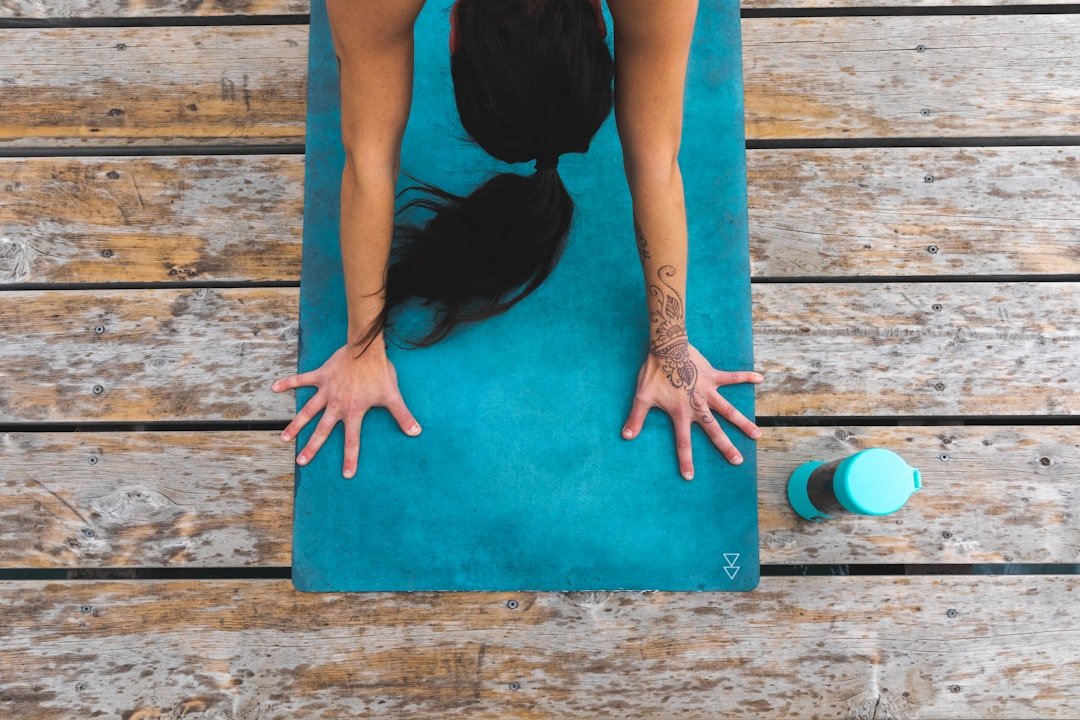
Why this fits: the Gaiam 5mm Premium mat is a reliable standard if you want balanced cushioning for home practice without losing stability. Its reversible design gives visual flexibility for class or studio use.
Why this fits: the Manduka PROlite (about 4.7mm) is aimed at practitioners who want durability and a firmer, more stable platform—good for consistent vinyasa or alignment work while keeping the mat portable.
Care and practical buying checks before you click
Thickness affects care: thicker open-cell mats may hold sweat and odor; closed-cell mats wipe clean. Check dimensions (length and width) against your height, and verify whether the mat is reversible or includes alignment markings if that matters to you.
- Which poses cause discomfort: knees, wrists, or tailbone?
- Do you need a mat for travel or mostly home use?
- Is grip or cushioning your top priority?
- Confirm mat length and width fit your body and practice style.
- Check material care: closed-cell for easy cleaning, open-cell for natural feel.
Pick a mat thickness to match your practice: thin for portability and balance, medium (3–5 mm) for most practitioners, and thick for joint comfort and restorative work. Combine mats if you need both portability and padding.
Is a thicker mat always better for joints?
Not always—thicker mats cushion joints but can make balancing poses less stable. For joint pain, a thicker home mat helps, but pairing with a firmer mat for standing work often works best.
What thickness is best for hot yoga?
1–3 mm is typical because studios often provide mats and you benefit from a lightweight, quick-drying surface.
Can a thin mat damage my knees?
On hard floors, prolonged kneeling on a very thin mat can be uncomfortable; a small folded towel or knee pad can help without switching to a bulky mat.
Does thicker mean heavier?
Generally yes—thicker mats weigh more and take more room when rolled. Material density also affects weight, so a dense 4mm mat may weigh more than a spongy 6mm mat.
Should I prioritize material or thickness?
Both matter: choose the thickness for cushioning needs, then pick a material that provides the grip and durability you want.