Short answer: Buy the pilates reformer for home that fits your space and training goals — prioritize length/footprint, adjustable resistance (springs and straps), a smooth carriage, and a frame type you can live with (folding vs permanent).
If you need a single line: measure the room and ceiling, decide if you want a foldable model, choose a reformer with at least 4 spring resistance levels plus cord/strap options, and prefer solid rails and bearings for a quiet, smooth carriage. Below I explain why those factors matter, how to match choices to common home use cases, and two specific reformer picks that suit most buyers.
What actually matters when buying a pilates reformer for home
Many shoppers fixate on brand or price. The practical variables that determine daily satisfaction are different:
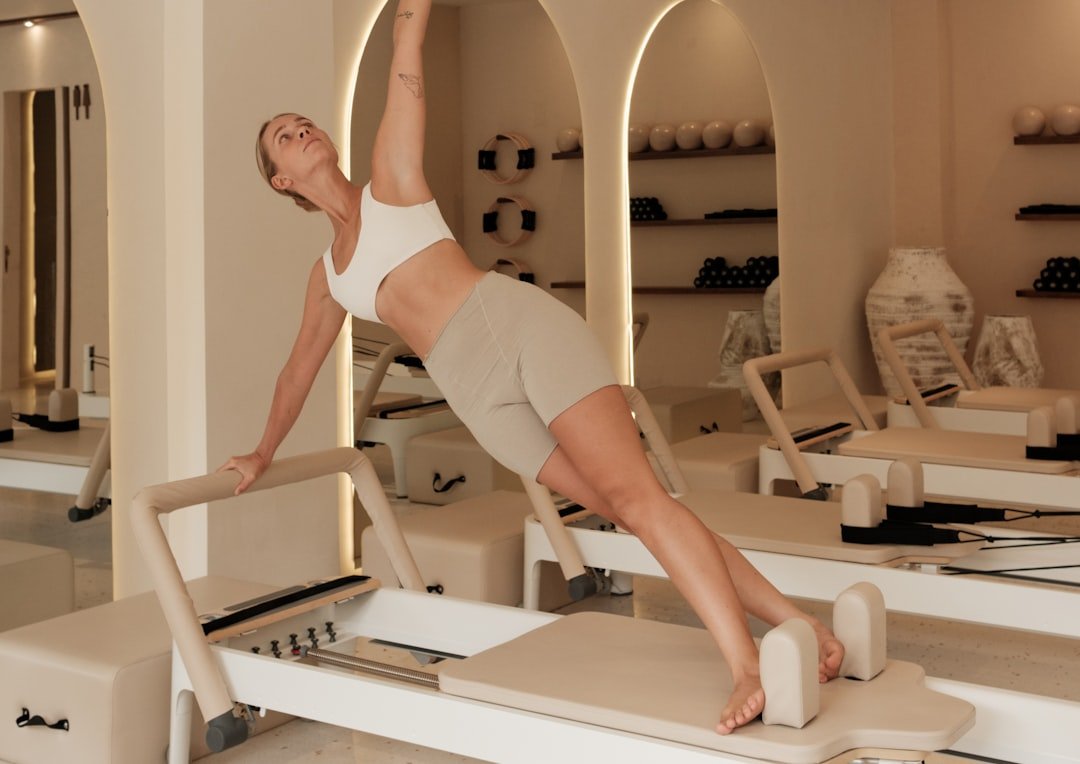
- Footprint and storage: Length (typically 86–92") and width plus room to mount the reformer. Consider space to dismount and do standing work. If you have limited square footage or need to store it between sessions, a foldable or upright-storable model is essential.
- Carriage quality and rails: Smooth, low-friction carriage bearings and rigid rails make every exercise feel controlled and quiet; poor carriages creak and resist, disrupting form and progress.
- Resistance system: Springs are standard; look for a set spanning light to heavy with quick-change hooks. Additional cord/strap resistance or adjustable pulleys expand exercise variety.
- Frame material and durability: Wood offers warmth and aesthetics; aluminum/steel can be lighter or more compact but may feel clinical. Check weight limits and warranty.
- Adjustability: Footbar positions, headrest, and riser options affect comfort and progression. Multiple positions let you do both rehabilitative work and athletic-level exercises.
- Accessories and compatibility: A box, shoulder rests, ropes, and long/short straps matter if you want a complete practice without buying add-ons later.
- Assembly, delivery and maintenance: For home buyers, simpler assembly and accessible replacement springs or parts reduce future headaches.
Match the reformer to your use case
Choose by how you’ll actually use the machine.
1) Casual user or small apartments — space-saving first
If you train 2–4× weekly, have limited room, or need to stow the machine upright, prioritize footprint and folding design over premium rails. Look for a model with a folding frame and wheels for rolling into storage. Expect compromises: some folding reformers use simpler bearings and may be noisier, but most modern foldable designs are stable enough for everyday use.

2) Serious home practitioners and instructors — durability and carriage performance
If you'll use the reformer daily, teach small classes, or want studio-level feel at home, prioritize a long, rigid frame with high-quality rails and sealed bearings. Choose a model with multiple spring tensions, a robust footbar, and a wooden or heavy-duty metal frame with a higher weight limit. You’ll pay more, but the carriage smoothness and durability are noticeable every session.
3) Rehabilitation, seniors, or mobility-focused practice
Lower-range spring options, easy step-on height, secure handholds, and a stable frame are most important. A reformer with adjustable risers and low carriage height plus softer springs lets you perform controlled, low-impact movements safely.
4) Multi-user household — flexibility and easy adjustments
If multiple users of different heights and abilities will share the reformer, prioritize quick-adjust footbar positions, multiple spring tensions, and included accessories (box, straps) to avoid repeatedly swapping parts between users.
How to evaluate specs without getting lost in jargon
- Length vs usable track: The listed length (86" vs 92") affects the range of legwork and long-leg springs. Taller users benefit from longer frames.
- Spring count and range: Four springs with clearly labeled tensions (light to heavy) is minimum; look for a combination that lets you go very light for rehab and very heavy for advanced work.
- Weight capacity: Choose a reformer with at least a 250–300 lb capacity for most users; heavier lifters should look higher.
- Noise and warranty: Ask about carriage bearings, warranty on frame and springs, and whether replacement parts are easily ordered.
Product recommendations — which reformer to pick based on typical needs
Below are two store-matching suggestions that align with the buyer categories above. I recommend them after the usage guidance because function should guide selection.
For limited space and home convenience: choose a reliable foldable reformer that balances stability with storage. For more studio-like daily use: choose a wooden framed model with longer track and premium carriage components.
Why this fits: PAETA’s foldable model (ID 1504) is designed for home users who need a compact footprint and multiple resistance options. It’s suitable if storage and portability are priorities.
Why this fits: The PAETA 92" wooden reformer (ID 1020) suits users who want a longer carriage and the feel of a studio reformer—better for taller users and heavy daily use.
Practical buying checklist before you click “order”
Do these simple checks to avoid common regrets:
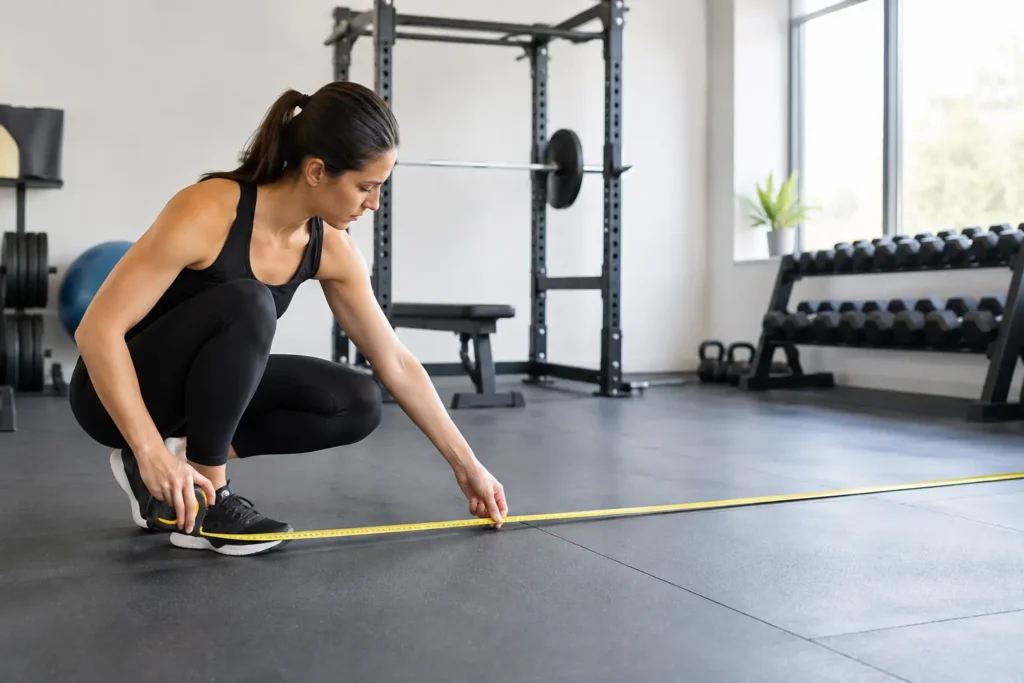
- Confirm the reformer’s assembled footprint and clearance needed for dismounts and standing work.
- Check if the model folds or stores upright, and measure storage space including doorways and stair clearance for delivery.
- Verify spring set range and if extra cords/straps are included or available separately.
- Read the warranty for frame and springs and confirm availability of replacement parts.
- Plan for assembly: does it arrive mostly assembled or need full assembly? Are tools/instructions provided?
- Consider accessories you’ll need immediately (box, extra straps, headrest cover) and whether they’re included.
Maintenance and setup tips that keep the reformer working well
Small maintenance prevents big problems. Wipe rails with a dry microfiber cloth after sessions; avoid oiling bearings unless the manual recommends it. Check spring hooks each month and replace worn straps. Store folded reformers vertically on a soft surface to avoid frame dings.
When to upgrade or buy add-ons
- Upgrade if the carriage becomes noisy or wobbly, or if you outgrow the highest spring tension.
- Buy extra straps, a reformer box, or an extra spring set when you want more exercise variety or to share the machine between users.
With the right measurements and priorities — storage, carriage quality, resistance range — you’ll pick a reformer that stays useful for years. Match the machine to how you train and budget for at least the accessories you’ll use most often.
- Measure room length, width and ceiling clearance for the reformer and dismounts.
- Decide if you need a foldable model and confirm storage dimensions.
- Check spring resistance range and included straps/ropes.
- Confirm frame material, weight capacity, and warranty on parts.
- Plan assembly and delivery route into your home.
Choose a reformer primarily by space and use: foldable models for small homes, longer wooden frames for serious daily practice. Prioritize carriage smoothness, a broad spring range, and ease of storage—these determine long-term satisfaction.
Are foldable reformers durable enough for daily use?
Many modern foldable reformers are durable for daily home use but may compromise slightly on carriage smoothness compared with permanent studio models; inspect bearings and rails before buying.
What spring resistance range should I look for?
Look for at least four springs that allow very light to heavy resistance; additional cord/strap options increase versatility for rehabilitation and advanced exercises.
Can I assemble a reformer alone?
Some models ship mostly assembled, others require multi-step assembly. Check the product listing for assembly time and whether two people are recommended for safe setup.
Which accessories are worth buying with the reformer?
A reformer box, long and short straps, and a spare spring set are the most useful; a headrest cover and padded shoulder rests add comfort for frequent users.