What really matters for a home cardio machine (and what you can ignore)
When choosing between a treadmill vs walking pad, focus on three decision-making realities: usable space, the workouts you actually want (walking only vs running intervals), and noise/weight limits where you live. Ignore marketing lists of flashy extras (RGB lights, dozens of preloaded classes) unless those features match a specific use—most buyers care more about footprint, motor power, incline capability, and safety.
Quick answer: which is better?
If you need compact, low‑impact daily walking and space-saving storage, a walking pad is usually the better home choice. If you plan to run, want higher speeds and incline for serious cardio, or expect heavier user loads and longer continuous sessions, a traditional treadmill is the right tool.
How the two machines differ in the practical ways that matter
Footprint and storage
Walking pads are designed to be slim and foldable; they slide under beds or stand upright in a closet. Typical deck width is narrower, so they suit tight living rooms or home offices. Full-size treadmills need more dedicated floor space and, even when foldable, require a taller storage spot and extra clearance around the deck for safety.
Performance: walking, jogging and running
Walking pads excel at steady walking and low‑speed movement (commonly up to 4–6 mph). Their motors and belt lengths are optimized for low-impact use. Traditional treadmills offer stronger motors, longer belts and higher top speeds that support jogging and running without the awkward stride or extra stress on joints.
Incline and workout variety
Many compact walking pads are flat or have limited incline. Traditional treadmills often provide multiple incline levels and sometimes decline — essential if you want hill simulation for calorie burn and muscle variety.
Motor, durability and weight limits
Treadmills use higher-horsepower motors built for sustained, heavy use; they typically support higher user weights reliably. Walking pads use smaller motors sufficient for intermittent or daily walking but can overheat under prolonged heavy loads. If you’re heavier or will run often, prefer a treadmill with a higher continuous-duty motor rating.
Noise and apartment living
Walking pads are quieter by design and often marketed for office or apartment use; some models advertise whisper-quiet belts. Traditional treadmills are louder, especially at running speeds and on older floors. If noise or downstairs neighbors are a concern, measure reported dB levels or choose a walking pad with a quiet motor and shock-absorbing mat.
Safety and stability
Wide belts and sturdy frames make treadmills more stable at higher speeds; they include safety keys and stronger handrails. Walking pads trade some stability for compactness — they work well for walking but can feel less secure for running or fast jogging. Consider your balance, injury history, and whether you want rails you can grab while exercising.
Price and value
Walking pads generally cost less and deliver good value for daily steps and light cardio. Treadmills represent a larger investment but are more versatile for high-intensity training and multiple users in one household.
Which machine suits which type of user?
Choose a walking pad if you:
- Have limited floor space or need to store equipment in a small closet.
- Will mostly walk for daily activity, step goals, or light cardio.
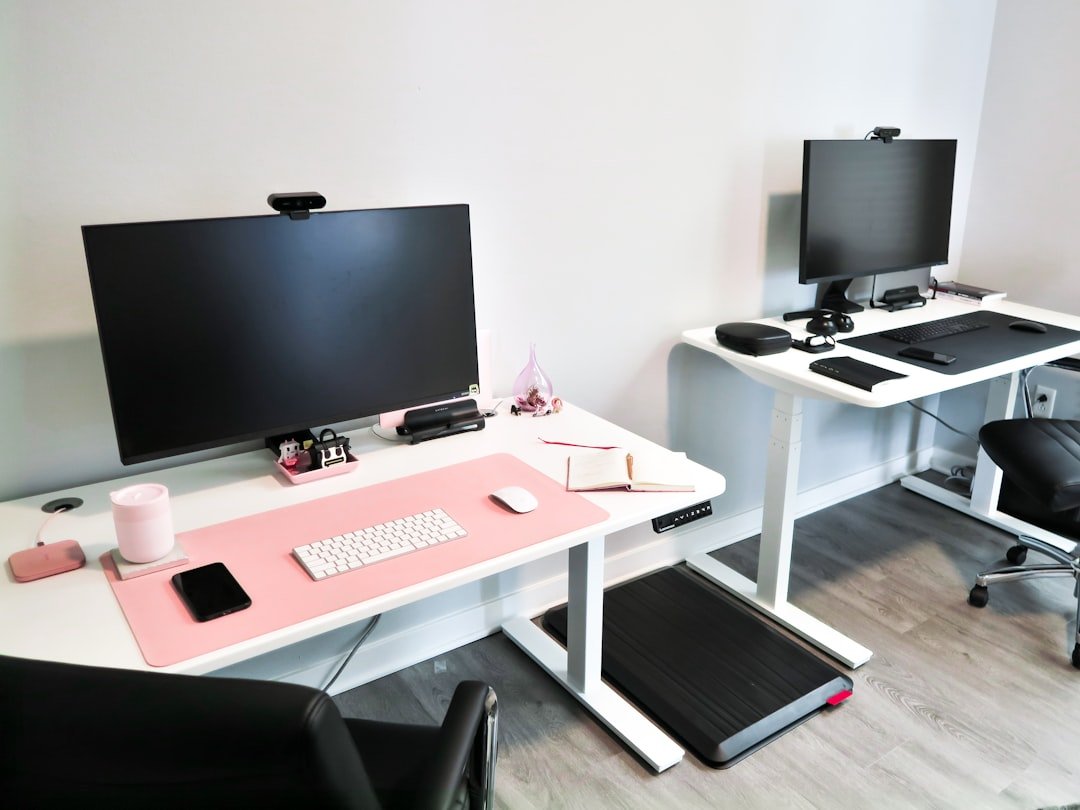
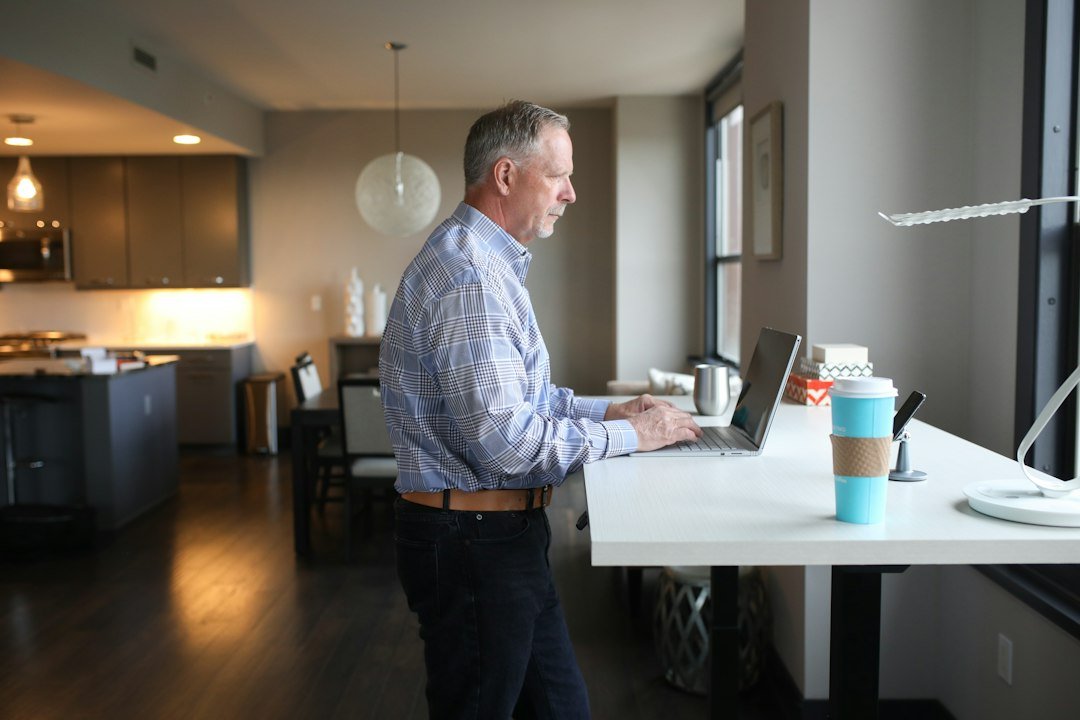
- Work from home and want a quiet, low-profile unit to use under or near a desk.
- Prefer lower cost and easier portability.
Choose a treadmill if you:
- Plan to jog or run regularly and need a longer belt and stronger motor.
- Want incline capability to vary workout intensity and simulate hills.
- Share the machine with heavier users or want a durable, long-term investment.
- Value stability and full-feature consoles for training programs.
Product recommendations — which models solve common needs
When a product can directly meet the use cases above, choose from the store catalog prioritized by relevance.
If you primarily want a compact, foldable solution for walking or under-desk use: consider this walking pad that combines portability and everyday practicality.
If you need a model with a stronger motor and incline for varied cardio — still foldable but more robust — this treadmill offers better support for jogging and higher-intensity sessions.
Quick buying checklist before you order
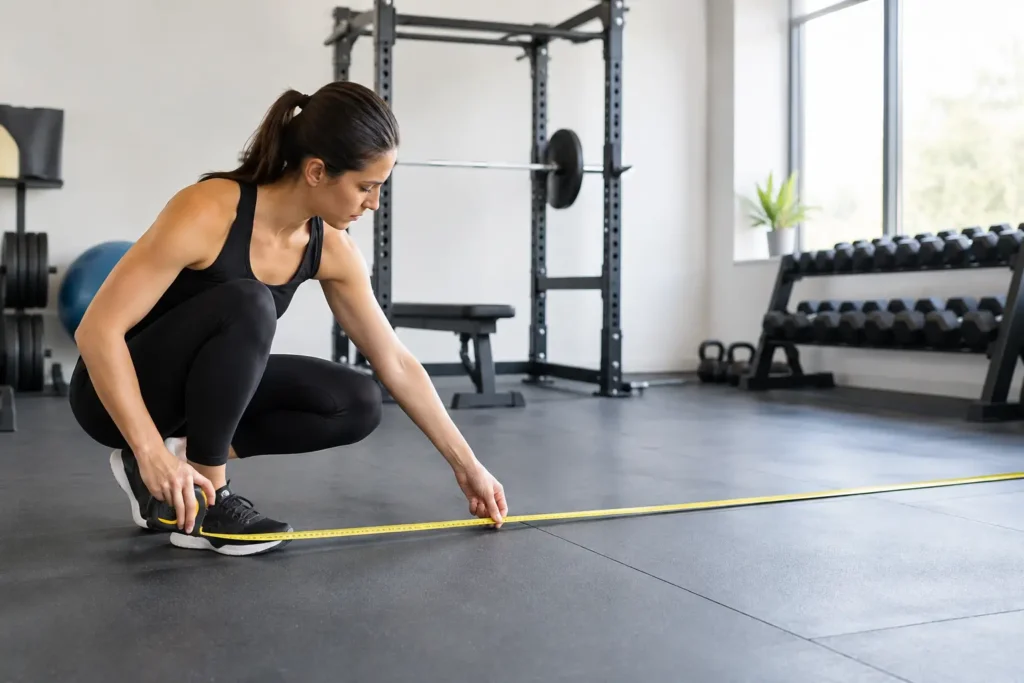
- Confirm footprint and clearances in the exact room you’ll use the machine.
- Match motor power and belt length to your planned activity (walking vs running).
- Check noise specifications if you live in an apartment or will use the machine near others.
- Verify user weight limit and the warranty terms for motor and frame.
Small setup and usage tips that prolong life
Use a rubber mat under either machine to reduce noise and protect flooring. Don’t exceed recommended continuous runtime on walking pads; give compact-motor units regular cool-down breaks. For treadmills, follow lubrication and belt-alignment guidelines in the manual to avoid premature wear.
- Measure space including forward and rear clearance.
- Decide whether you will only walk or also run.
- Confirm model weight limit and warranty coverage.
- Plan for storage: foldable space vs permanently placed.
If your priority is daily walking, small space and quiet use, buy a walking pad. If you want running, incline, or a machine built for heavier, sustained workouts, choose a traditional treadmill. Match motor and belt specs to your activity and measure your space before buying.
Can you run on a walking pad?
Most walking pads support brisk walking and light jogging, but they have shorter belts and smaller motors; running, especially at higher speeds, can feel unstable and may exceed the machine’s intended use.
Are walking pads quieter than treadmills?
Generally yes—walking pads are designed to be lower-noise, making them better suited to apartments or under-desk use, though quality varies by model.
Is incline important for calorie burn?
Yes. Incline increases intensity and engages different muscle groups; if calorie burn and varied training are goals, choose a treadmill with incline capability.
How do I choose between a foldable treadmill and a walking pad?
Decide by intended workout (walking vs running), available storage, and noise or neighbor concerns. If you need both space-saving and the ability to jog occasionally, look for sturdier foldable treadmills designed for mixed use.
Do walking pads require special flooring?
They benefit from a stable, flat surface and a protective mat to reduce wear and noise; avoid soft carpets unless the manufacturer approves it.