You’ve cleared a corner in the living room and now face a simple question: buy a kettlebell or a set of dumbbells? Both fit small spaces and promise strength gains, but the right choice depends on how you want to move, the space you have, and how quickly you want results.
Short answer up front: kettlebells vs dumbbells comes down to movement style and goals. Choose kettlebells if you want dynamic, whole-body power and cardio; choose dumbbells if you want progressive overload across traditional strength lifts, easier programming, and a gentler learning curve.
Decision criteria that should guide your choice
- Movement type: dynamic ballistic movements (swings, snatches) vs controlled pressing and rows.
- Goals: conditioning/power and hip drive vs strength, hypertrophy and symmetric loading.
- Space and storage: footprint and how many pieces you need.
- Skill and safety: coaching required to perform moves safely.
- Progression and budget: how easily you can add load as you get stronger.
How kettlebells and dumbbells compare on the important trade-offs
Movement and training effect
Kettlebells reward momentum and hip-driven power. The two-handed swing, kettlebell clean, and snatch develop posterior chain strength, explosive hip extension, and conditioning in a compact session. They also teach coordination and timing—great for calorie burn and athletic carryover.
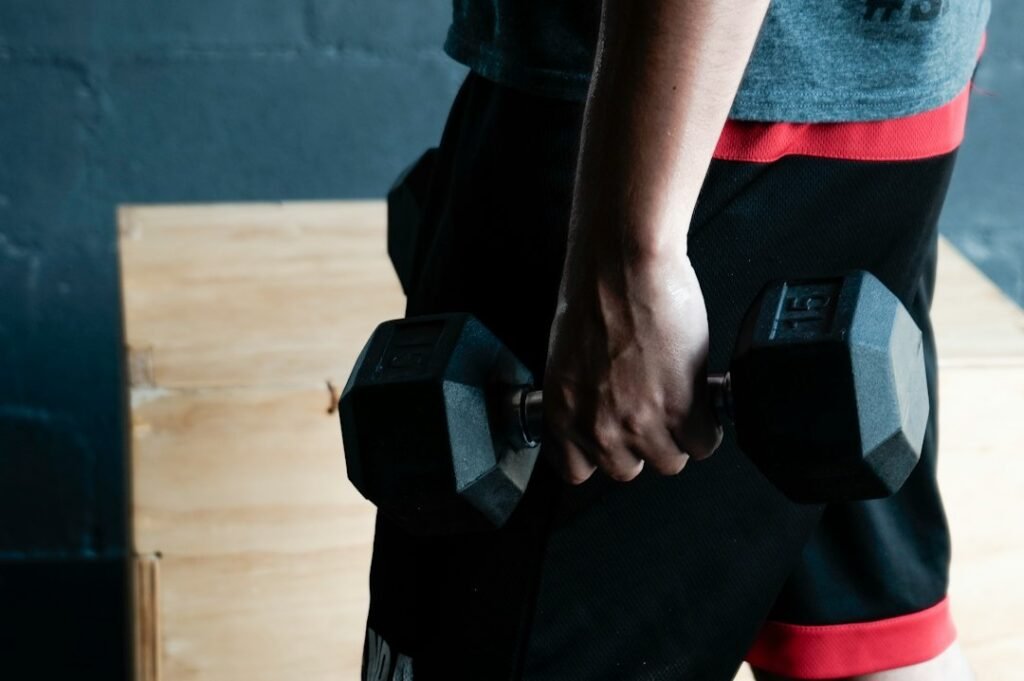
Dumbbells excel at controlled, bilateral and unilateral strength work: presses, rows, lunges, curls. They’re the easiest way to apply progressive overload in small increments and target specific muscles with consistent joint alignment.
Learning curve and safety
Kettlebell techniques (swing, clean, snatch) require coaching or good tutorials; early mistakes often stress the lower back or shoulders. That said, simple kettlebell moves like the goblet squat or farmer carry are beginner-friendly.
Dumbbells are more intuitive—most people can safely perform basic presses, rows, and squats with minimal instruction. If you're training alone and want low technical risk, dumbbells are safer to start with.
Space, equipment footprint and storage
A single kettlebell can cover a lot of ground. Two to three bells (light, medium, heavy) let you progress through most kettlebell programs and take less space than a rack of dumbbells. Kettlebells stack or sit on a small shelf.
Dumbbells require more pieces for fine-grained progression unless you buy adjustable dumbbells. A full fixed set takes a lot of floor or rack space; adjustable dumbbells compress that to one or two units, but they’re bulkier to store than a few kettlebells.
Progression and cost
To keep progressing with kettlebells you’ll often jump several pounds between standard bell sizes; this can be limiting once you’re intermediate. Buying multiple bells or an adjustable kettlebell solves that but raises cost.
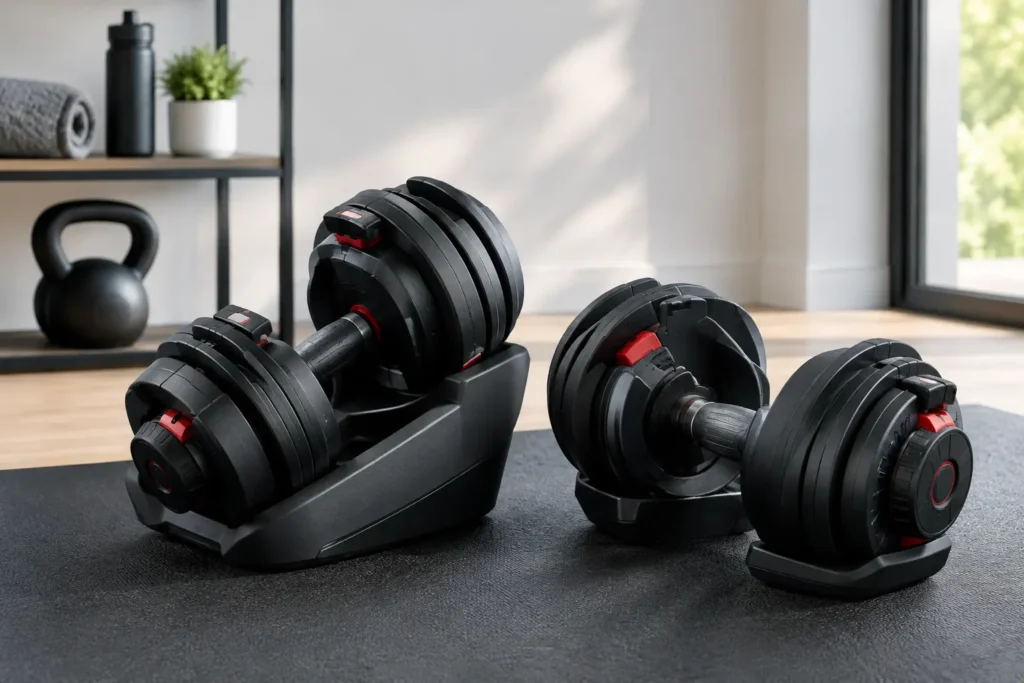
Dumbbells—especially adjustable sets—make small increments possible and are often a better long-term investment for linear strength gains. Rank #1 adjustable dumbbell set covers wide weight ranges in one compact product, ideal if you want gradual progression without multiple fixed pairs.
Versatility for programming
Both tools are versatile, but in different ways. Kettlebells let you blend cardio, power, and strength in short circuits—useful if you want efficient, fat-loss oriented sessions. Dumbbells allow classic bodybuilding splits, strict tempo work and heavier loaded presses and rows that are harder with kettlebells.
Joint and grip considerations
Kettlebell handles are thicker and movements can stress the wrists less in swinging motions, but the dynamic loads can irritate lower back or shoulders without good form. Dumbbells give neutral grips and stable loading; they’re often the choice when joint comfort and controlled range of motion matter.
Which tool suits which kind of home athlete?
Choose kettlebells if you want:
- Short, metabolic workouts that build power and conditioning.
- Exercises focused on hip drive (swings, cleans, snatches) and loaded carries.
- Minimal storage and fewer pieces of equipment.
- To develop explosive athletic movement or follow kettlebell-centric workouts.
Choose dumbbells if you want:
- Systematic strength progression, heavier presses and rows, or aesthetic-focused training.
- Easier-to-learn lifts and more controlled isolation work.
- Fine-grained load increments (especially with adjustable dumbbells).
- A broader range of traditional gym exercises (e.g., strict dumbbell bench press, Bulgarian split squats).
Mixed approach: when to combine both
If you have space and budget, combine one or two kettlebells with an adjustable dumbbell set. Use kettlebells for conditioning and hip-power days, and dumbbells for heavy presses, rows and progression-focused strength sessions. This hybrid covers virtually every training need in a small footprint.
The product above is a compact adjustable dumbbell set that suits users prioritizing progressive overload and limited storage—ideal if you choose dumbbells as your primary tool.
Buying and setup tips that avoid common mistakes
- Beginners: start with a kettlebell in the 12–16 kg (26–35 lb) range for men, 8–12 kg (18–26 lb) for women for swings; or two adjustable dumbbells and begin with lighter plates to learn form.
- Technique first: learn the two-handed kettlebell swing and goblet squat from reputable videos or a trainer before adding complex moves.
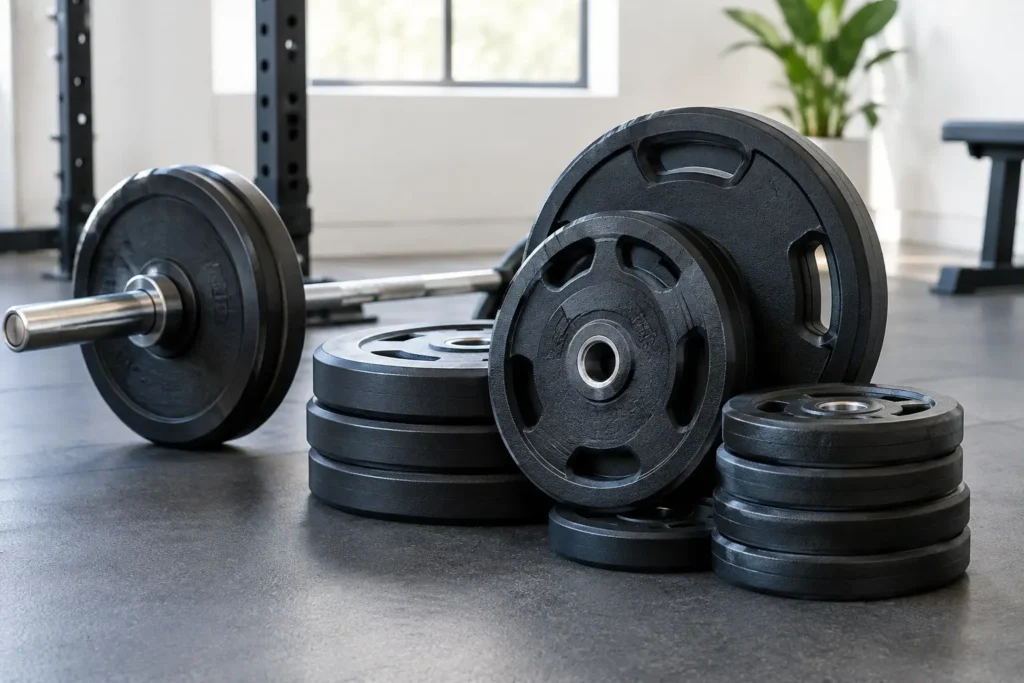
- Floor protection: use a mat or rubber tiles under heavy dumbbells and kettlebells to protect floors and reduce noise.
- Storage: a simple rack or shelf keeps equipment tidy and reduces trip hazards—important in small home spaces.
Quick recap and next steps
Decide first by movement goals, then by space and progression needs. If you’re unsure and budget allows, buy an adjustable dumbbell set (covers strength progression) and add one kettlebell later to introduce swings and carries.
- Define primary goal: power/conditioning or progressive strength.
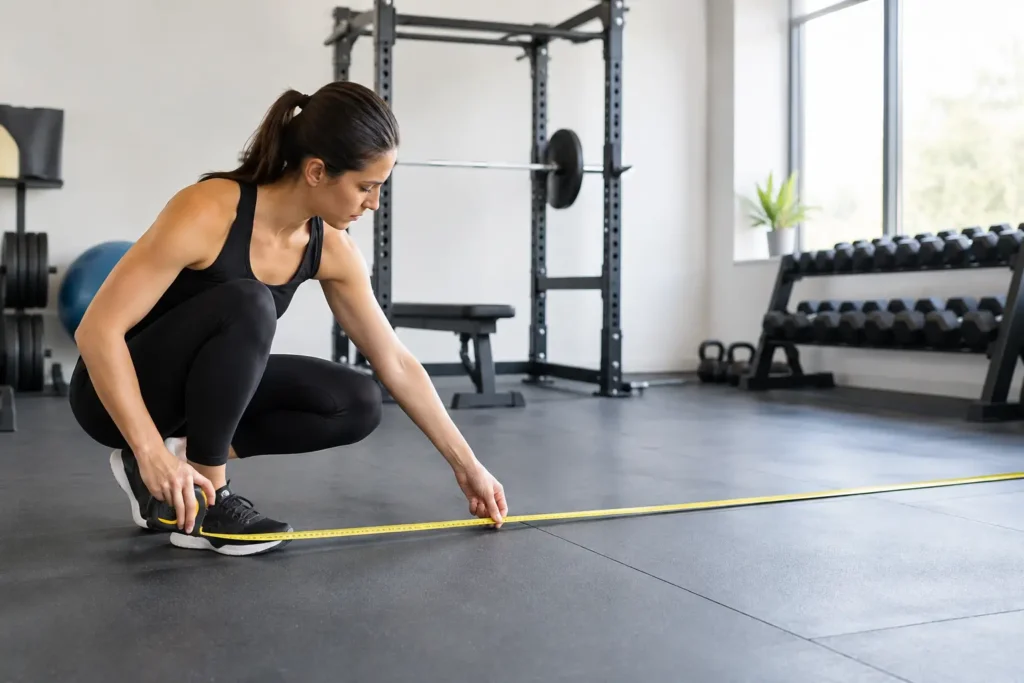
- Measure available floor space and storage before you buy.
- Plan for floor protection (mat or rubber tiles).
- Start with one usable weight per tool and add incrementally.
- Schedule time to learn core kettlebell and dumbbell moves safely.
Kettlebells and dumbbells both build strength at home, but they do different jobs. Kettlebells are compact and potent for conditioning and hip-driven power; dumbbells are the safer, more precise tool for progressive strength and muscle-specific work. Match the tool to your training priorities—or use both.
Can you build muscle with kettlebells?
Yes—kettlebells can build muscle, especially with higher-rep, loaded movements and progressive increases in weight; however, dumbbells typically make linear overload and isolation easier.
What weight kettlebell should a beginner buy?
Beginners often start around 8–12 kg (18–26 lb) for women and 12–16 kg (26–35 lb) for men for basic swings; choose a weight that allows good technique for 10–20 reps.
Are adjustable dumbbells worth it for home gyms?
Yes—adjustable dumbbells are a space-efficient way to access multiple weight increments and simplify progressive overload in small home setups.
Do kettlebells take up less space than dumbbells?
Generally yes: a few kettlebells cover a wider range of movements and take less storage space than a full fixed dumbbell set; adjustable dumbbells narrow that gap.
Is there an injury risk difference between them?
Both have risks if used with poor form; kettlebells demand better technique for ballistic moves, while dumbbells are often safer for beginners learning strict strength lifts.