You want a rower that fits your real life — not the showroom scenario
Picture this: you clear space beside the TV, order a rower online, and when it arrives you discover it won’t fit through the hallway, it’s louder than your apartment heater, or it shudders at high resistance. A good buy avoids these surprises by matching the machine to how you’ll actually use it.
Start by deciding how you'll use the rower
“Who will use it and how often?” is the single most important question. Be specific.
- Light cardio and occasional sessions: compact, low-cost magnetic rowers are usually fine.
- Daily, long endurance pieces or training for races: sturdier flywheel designs (air or water) with larger monitors and smoother slides are better.
- High-intensity interval training (HIIT) and heavy users: choose a high weight capacity, robust rails, and quick resistance response (air or hybrid systems).
- Shared family machine or taller/ heavier users: check seat rail length, maximum recommended user height, and weight capacity.
Choose the resistance type that matches effort and feel
Resistance governs the rowing feel, noise and maintenance. Match it to your priorities:
- Magnetic: Quiet, compact, low maintenance, good for apartments and casual users. Resistance is adjustable electronically or with a dial; it can feel less like real water.
- Air: Responsive and smooth with a natural rowing feel — harder you pull, the harder it resists. Louder (fan noise) and usually bulkier.
- Water: Very close to on-water feel and pleasant whoosh sound; heavier and often pricier. Tanks add weight for stability.
- Hybrid (air + magnetic): Tries to combine responsiveness with quieter operation; a good middle ground if you want both traits.
Space, footprint and how you’ll store the machine
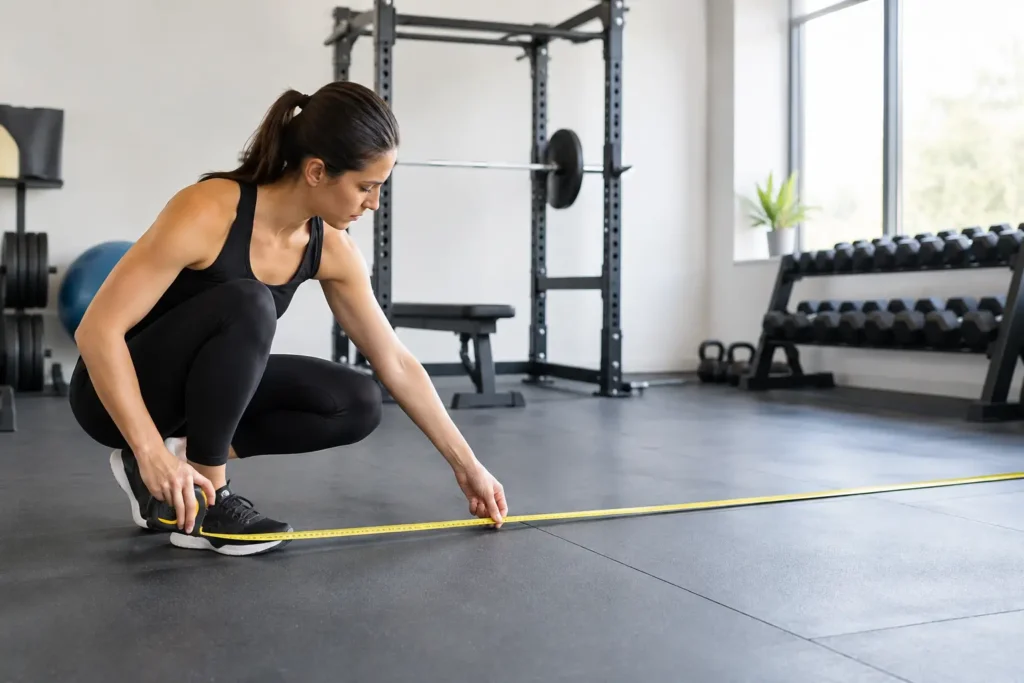
Measure where the rower will live with the seat fully extended and account for the user's leg length. Two fits often fail: assuming wall clearance is minimal, and forgetting the clearance needed for mounting/dismounting.
- Foldable rowers free up floor space but still need enough vertical room if stored upright.
- Check assembled dimensions and shipping box size — a “compact” model can still be heavy to move.
- Consider weight: heavy frames are more stable but harder to reposition.
Noise level: pick anything your household will tolerate
If you live in an apartment, noise can be decisive. Magnetic rowers are the quietest. Water and air rowers produce white-noise whoosh; quieter models are possible but expect more sound than magnetic types.
Build quality, capacity and user comfort
Look beyond plastic panels. Important checks:
- Frame material and warranty: steel frames with solid welding resist long-term flex.
- Seat and rail: a smooth, long rail and well-padded seat matter for users over 6' tall or frequent sessions.
- Footrests and straps: adjustable, wide footplates and secure straps prevent slippage at higher intensities.
- Weight capacity: choose a machine rated comfortably above the heaviest user to reduce stress on components.
Monitor features and connectivity you’ll actually use
Decide which metrics and features you’ll use: simple time/distance/calories, pre-programmed workouts, or Bluetooth/ANT+ to pair with apps and heart-rate straps. If you plan to row with structured plans, prioritize a rower with a responsive monitor and app integration.
Maintenance, parts and long-term costs
Some models require regular chain lubrication (air/magnetic) or tank care (water). Check availability of replacement parts and whether the brand provides customer support. A rower that’s easy to maintain reduces downtime and extends usable life.
When to prefer one model type — quick buying scenarios
- Apartment, quiet, occasional workouts: magnetic rower — quiet and low maintenance. Example option: .
- Want realistic rowing feel and steady endurance training: water rower (or air if you prefer responsiveness). Water models are heavier and feel closest to real rowing.
- Family/garage use and heavy users: look for high-capacity, reinforced rails and a long warranty — choose commercial-style or heavy-duty home models.
Which product from the store fits common needs
Given typical home needs, a highly ranked magnetic rower is an excellent starting point for most buyers who prioritize quiet operation, compact storage and a low-friction setup. If you specifically want the on-water feel, pick a water rower instead.
How to test a rower in person or evaluate online listings
At a store: sit on the machine and do a 2–3 minute row at different intensities. Check seat travel, footplate comfort, noise, and whether the monitor updates smoothly. Online: verify dimensions, weight limits, return window, and check multiple user photos and reviews for long-term durability notes.
- Measure space with the seat fully extended and allow clearance for mounting.
- Decide resistance type: magnetic for quiet, water/air for realistic feel.
- Confirm weight capacity and rail length for all users.
- Check monitor features and app/heart-rate compatibility.
- Review maintenance needs and parts availability.
- Compare warranty length and what it covers (frame vs electronics).
Choose a rower by matching resistance type to how you’ll train, confirm it fits your space and household noise limits, and pick a model with durable construction and a monitor you’ll actually use. For most home users the top-ranked magnetic rower is the best balance of quiet, size and value.
What resistance type is best for beginners?
Magnetic rowers are often best for beginners because they’re quiet, low-maintenance and offer controlled resistance levels that suit gradual progression.
How much space does a rowing machine need?
Plan for the full length of the rower plus at least 12–18 inches of clearance behind the seat for comfortable mounting and dismounting; consider additional room for storage if you’ll fold it.
Are water rowers noisy?
Water rowers make a whooshing sound that many users find pleasant; they’re louder than magnetic models but usually quieter than the fan noise of some air rowers.
Do rowing machines require much maintenance?
Maintenance varies: magnetic units require minimal upkeep, air/chain rowers need occasional chain lubrication, and water rowers may need occasional tank treatment and belt checks.
How important is monitor connectivity?
If you plan to use training apps, track workouts long-term, or pair heart-rate monitors, pick a rower with Bluetooth/ANT+ and a reliable display; otherwise basic metrics may be sufficient.