
Yoga Mat Thickness Explained: Which Thickness Is Best for You?
Choosing the right yoga mat thickness can transform your practice. The thickness affects cushioning, stability, portability, and how your joints feel during poses.
This guide breaks down common thicknesses, how they perform across styles and bodies, and practical tips to pick the best mat for your needs. If you want to browse a range of mats while you read, check the Yoga Mats category to compare options.
Understanding Yoga Mat Thickness
Yoga mat thickness is usually measured in millimeters (mm). Standard mats run from about 1.5mm to 6mm, while travel mats, studio mats, and specialty pads may be thinner or thicker. Thickness alone doesn’t tell the whole story—material, density, and surface grip are equally important.
Thickness Ranges and What They Feel Like
Here’s a practical breakdown of common thicknesses and how they typically feel underfoot and under your joints:
- 1–2 mm (ultra-thin): Best for travel and portability; you feel the floor, so balance work and standing poses feel stable but joints get less cushioning.
- 3–4 mm (standard): A versatile choice—enough cushion for most practitioners while retaining good balance and grip.
- 5–6 mm (thick): Provides more padding for knees, hips, and spine; good for restorative work, sensitive joints, or floor-based practices.
- Extra-thick pads (10–15 mm+): Often used as knee or elbow pads for added protection rather than for standing balance work. If you do need extra surface cushioning, consider a dedicated pad such as the extra-thick knee pad that pairs with a thinner mat for balance.
Match Thickness to Your Practice Style
Your typical class or home routine should guide thickness choice:
- Hot yoga and vigorous flows: Lean toward 3–4 mm with strong grip to maintain stability during transitions.
- Vinyasa and balance-focused practices: 3–4 mm keeps the contact with the floor you need for standing balances.
- Yin, restorative, prenatal, or rehab-focused sessions: 5–6 mm or an additional cushioning pad creates comfort for extended floor time.
- Pilates crossover: Many Pilates exercises are done on a firmer surface; if you cross-train with reformer work, consider how your mat performs alongside equipment like Pilates reformers. Thinner, firmer mats can complement reformer sessions well.
If you explore both yoga and Pilates frequently, the Pilates Reformers category can help you plan equipment and mat selection together.
Joint Support and Practical Solutions
If you have sensitive knees, wrists, or hips, thickness matters—but so does how you distribute pressure. A thicker mat helps, but targeted supports can be smarter and lighter. For example, compression or neoprene sleeves provide joint stability during practice—see options like the knee sleeve for additional protection when you need mobility with support.
Stability, Balance, and Alignment
Thicker mats can slightly reduce stability because your feet sink into the padding. If precise alignment or balance is critical in your practice, aim for a mat that balances cushion and firmness. Accessories such as blocks can restore alignment if you opt for thicker cushioning. Consider pairing your mat with reliable props like yoga blocks to maintain posture and reach during poses.
Materials, Durability, and Grip
Material choices—PVC, TPE, natural rubber, cork, or EVA—affect grip, longevity, and environmental footprint. High-density materials can give thicker mats a firmer feel, reducing the “sink” effect while keeping cushioning. Look for textured surfaces for wet-grip in heated classes and a denser core for long-term shape retention.
If you’re investing in a mat that will see studio-level use or heavier cross-training, check product specs for density and factory finish. Some practitioners prefer a thicker mat for comfort but choose higher-density materials so balance isn’t compromised. If you use stronger equipment or a reformer at home, compare mat thickness and durability to your other gear so everything performs together.
Travel, Portability & Storage
Travel mats and ultra-thin mats (1–2 mm) are ideal for carrying to classes, studios, or vacation. Thicker mats are bulkier and heavier; if you need cushion but also portability, consider combining a thin travel mat for grip with a small padded knee or elbow cushion for joint support.
Accessories That Complement Your Mat
Choosing the right add-ons can make a mid-range mat function like a specialty pad. Useful items to pair with your mat include straps, blocks, bolsters, and meditation cushions. A strap helps with flexibility and controlled alignment, while a cushion supports longer seated poses. Check accessories such as the yoga strap for stretching support and the meditation cushion for comfortable seated practice.
Checklist: How to Choose Your Mat
- Identify your main practice (hot, vinyasa, restorative, travel).
- Decide priority: cushioning (joints) vs. stability (balance).
- Check material for grip, durability, and eco-preferences.
- Weigh portability needs: will you carry it daily?
- Consider complementary props—blocks, straps, or a knee pad—for flexible solutions.
FAQ
Q: Is a thicker mat always better for knees?
A: Thicker mats give more cushioning but can reduce stability. For targeted knee protection, combine a moderate-thickness mat with a small pad or sleeve.
Q: What thickness is best for hot yoga?
A: 3–4 mm with a sticky surface material is typically best—enough padding without compromising balance and with a grip that handles sweat.
Q: Can I use a Pilates mat for yoga?
A: You can, but consider the firmness: Pilates mats are often firmer and thinner to allow core connection; for yoga flows you may prefer slightly more grip or cushion depending on the style.
Q: How do I clean my mat without damaging it?
A: Use a mild soap and water solution or a manufacturer-recommended cleaner; avoid harsh solvents and prolonged sun exposure which can degrade materials.
Q: Should I replace my mat regularly?
A: Replace when grip, shape, or cushioning deteriorates. Frequency depends on usage and mat quality—heavy daily use will require earlier replacement.
Conclusion: Practical Takeaway
Choose a mat that matches your practice priorities: 3–4 mm for most active practices, 5–6 mm for more floor work or comfort, and a thin travel mat if portability is essential. Combine mats with targeted accessories—blocks, straps, knee pads, or a meditation cushion—to tailor support without sacrificing stability. When in doubt, test a mid-range 3–4 mm mat and add props as needed to fine-tune comfort and performance.
Products Featured in This Article
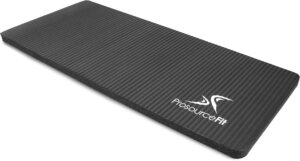
ProsourceFit Extra Thick Yoga Knee …
Enjoy a pain-free yoga practice with the ProsourceFit Yoga Knee Pad to protect your sensitive pressure…

Microdry Sure-Grip Yoga Blocks Coll…
Microdry Sure-Grip Yoga Blocks are designed to support safer, more effective movement at every stage of…
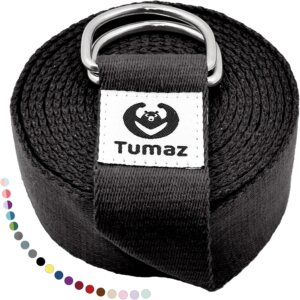
Tumaz Yoga Strap for Stretching wit…
Tumaz Yoga Strap/Stretch Bands [15+ Colors, 6/8/10 Feet Options] with Extra Safe Adjustable D-Ring Buckle, Durable…

Yoga Meditation Cushion, 25″ …
Whether you are new to yoga or looking to deepen your practice, beginners and advanced yogis…

Rehband 3mm Neoprene Knee Sleeve fo…
From the brand Explore REHBAND TOPSELLER REHBAND – SUPPORTING YOU SINCE 1955 Regardless of how you…
